PERSPECTIVE PRESENTED BY PASTOR RAFAEL NOGUEIRA REZENDE
WHAT IS TRUTH?
PASTOR RAFAEL NOGUEIRA REZENDE
John 18:33 Then Pilate went back into the judgment hall and summoned Jesus and asked him, “Are you the king of the Jews?” 34 Jesus replied, “Do you have any idea about me, or did others tell you about me?” 35 Pilate answered, “Am I a Jew? Your own nation and the chief priests handed you over to me. What have you done?” 36 Jesus answered, “My kingdom is not of this world. If it were, my servants would fight to prevent my arrest by the Jewish leaders. But now my kingdom is from another place.” 37 “ You are a king, then!” said Pilate. “You say that I am a king. In fact, the reason I was born and came into the world is to testify to the truth. Everyone on the side of truth listens to me.” 38 “What is truth?” said Pilate. And having said this, he went again to the Jews and said to them, “I find no fault in him.”
On October 29th , at a meeting of CCF Brazil Leaders, Apostle Roy offered a perspective on the text above that continues to make me reflect on it to this day. What is green?
We live in a time of “relative truths,” both in humanity and within churches. Truths shaped by political or ideological opinions.
Pilate, after questioning Jesus at that time, found himself in a moment of internal conflict. In Matthew 27:19, we find the account of Pilate’s wife warning him “not to get involved with that righteous man.” The encounter with Jesus after this revelation shook his foundations. Jesus’ firm answers caused Pilate to doubt his own concepts of truth.
Jesus did not present a merely philosophical concept. He remained silent. This silence indicated that the concept presented was not something abstract that could be argued. Jesus presented a pure, moral, and spiritual truth to which there are only two options: acceptance or rejection. Pilate chose political expediency, pressured by the people.
What does this have to do with us?
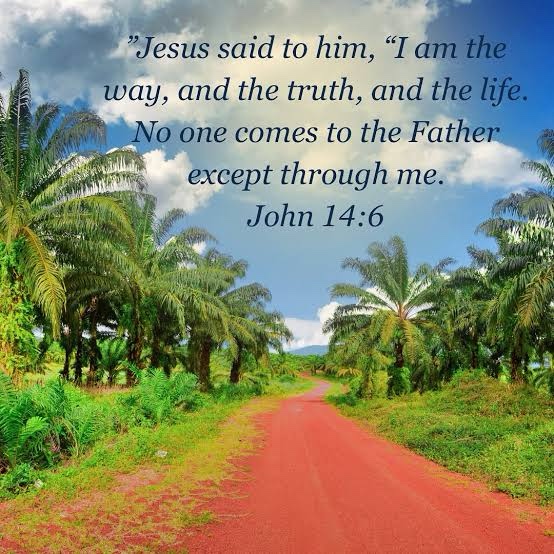
John 14:6 ⁶ Jesus said to him, “I am the way, the truth, and the life. No one comes to the Father except through me.”
Regardless of how the world shapes itself, how the economy falters, how governments change, we must place our foundation on Jesus’ statement in John 14:6. There is no other Way. There is no other Truth. There is no other Life.
Relative truth, in its various aspects, leads us to change our concepts. But we see in the Word of God an immutable concept to which, in any shadow of doubt, we must return.
Ephesians 4:11 And he himself gave some to be apostles, some to be prophets, some to be evangelists, and some to be pastors and teachers, 12 for the equipping of the saints for the work of ministry, for the edifying of the body of Christ, 13 until we all attain to the unity of the faith and of the knowledge of the Son of God, to mature manhood, to the measure of the stature of the fullness of Christ; 14 then that we should no longer be children, tossed to and fro and carried about with every wind of doctrine, by the trickery and cunning of men, in the lie in wait to deceive.
Recognizing our individual place in the Body of Christ (the Church) brings us growth and maturity, enabling us to recognize when something attempts to change our essence. Verse 14 of Ephesians 4 compares this lack of discernment to a child who, at the slightest stimulus, changes position, driven by the cunning of those who introduce doctrines contrary to the Word.
Our desire must always be to know Christ more in all aspects.
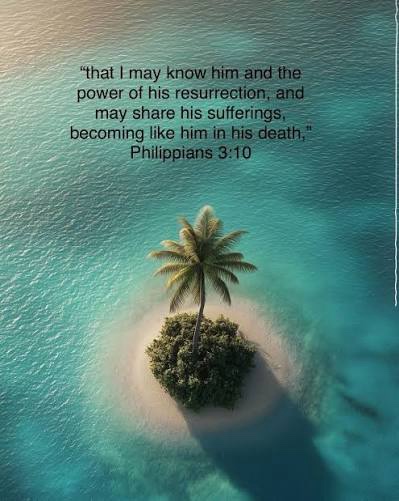
Philippians 3:⁷ But whatever were gains to me I now consider loss for the sake of Christ. ⁸ What is more, I count everything as loss because of the surpassing worth of knowing Christ Jesus my Lord, for whose sake I have suffered the loss of all things and count them as rubbish, in order that I may gain Christ ⁹ and be found in him, not having a righteousness of my own that comes from the law, but that which is through faith in Christ, the righteousness that comes from God on the basis of faith. ¹ ⁰ I want to know Christ—yes, to know the power of his resurrection and participation in his sufferings, becoming like him in his death, ¹¹ and so, somehow, attaining to the resurrection from the dead.
Hosea 6:¹ Come , let us return to the Lord; for he has torn us to pieces, but he will heal us; he has injured us, but he will bind us up. ² After two days he will revive us; on the third day he will raise us up, that we may live in his presence. ³ Then we will know, if we press on to know the Lord. His going forth is prepared as the morning; he will come to us like the rain, like the latter rain and the early rain that water the earth.
Get to know the Lord and continue to get to know Him!
Shalom .
TRUTH
Psalms 119:160 The entirety of Your word is truth, And every one of Your righteous judgments endures forever
JESUS CHRIST IS THE EMBODIMENT OF THE WORD OF GOD (TRUTH)
John 1:14 And the Word became flesh and dwelt among us, and we beheld His glory, the glory as of the only begotten of the Father, full of grace and truth.
John 8:31 Then Jesus said to those Jews who believed Him, “If you abide in My word, you are My disciples indeed. 32 And you shall know the truth, and the truth shall make you free.”
Greek word for “truth” alḗtheia; true. Truth, reality; the unveiled reality lying at the basis of and agreeing with an appearance; the manifested, the veritable essence of matter. (I) Truth, verity, reality. The reality pertaining to an appearance (Romans 1:18, 25). (A) Truth as evidenced in relation to facts, therefore, alḗtheia denotes the reality clearly lying before our eyes as opposed to a mere appearance, without reality (Mark 5:33; John 5:33; 16:7; Acts 26:25; Romans 9:1; 2 Corinthians 6:7, “by the word of truth”; 12:6; Ephesians 4:25; 1 Timothy 2:7; 1 Kings 22:16; 2 Chronicles 18:15) (B) Spoken of what is true in itself, purity from all error or falsehood (Extracted from CWSB Dictionary)
THE ETERNAL FATHER, SON AND THE SPIRIT COLLABORATE TOGETHER CONCERNING THE LOGISTICS OF THE DELIVERANCE OF TRUTH
John 16:12 “I still have many things to say to you, but you cannot bear them now. 13 However, when He, the Spirit of truth, has come, He will guide you into all truth; for He will not speak on His own authority, but whatever He hears He will speak; and He will tell you things to come. 14 He will glorify Me, for He will take of what is Mine and declare it to you.
Words proceed out of heaven, words that are spoken between the Father and Son in conversations, these words are carried to the believer by the Holy Spirit, who Jesus refers to as the Spirit of Truth.
Believers are guided into ALL TRUTH by the Spirit of truth.
GOD WILL USE HIS SERVANTS TO CARRY HIS WORD LIKE HE DID WITH MOSES WHEN HE SENT HIM TO PHARAOH
Exodus 4:15 Now you shall speak to him and put the words in his mouth. And I will be with your mouth and with his mouth, and I will teach you what you shall do.
NEW TESTAMENT REFERENCE
The Spirit of the Father speaks through the voice of the son of God.
Matthew 10:19 But when they deliver you up, do not worry about how or what you should speak. For it will be given to you in that hour what you should speak; 20 for it is not you who speak, but the Spirit of your Father who speaks in you.
KING DAVID IS KNOWN AS A MAN AFTER GOD’S OWN HEART.
Psalms 51: 2 Wash me thoroughly from my iniquity, And cleanse me from my sin. 3 For I acknowledge my transgressions, And my sin is always before me. 4 Against You, You only, have I sinned, And done this evil in Your sight— That You may be found just when You speak, And blameless when You judge. 5 Behold, I was brought forth in iniquity, And in sin my mother conceived me. 6 Behold, You desire truth in the inward parts, And in the hidden part You will make me to know wisdom.
David declares “my sin is always before me”
We thank God for Jesus who cleansed us from all sin and redeemed and reconciled us to the Father. Christ and His finished work on the Cross, the perfect atoning sacrifice for the sins of men and women, is the unshakeable and immutable TRUTH that lives in “the inward part”.
2 John 1:1 The Elder, To the elect lady and her children, whom I love in truth, and not only I, but also all those who have known the truth, 2 because of the truth which abides in us and will be with us forever
TRADUÇÃO PARA O PORTUGUÊS (Traduzido pelo Pastor Rafael Nogueira Rezende)
VERDADE
PERSPECTIVA APRESENTADA PELO PASTOR RAFAEL NOGUEIRA REZENDE
O QUE É A VERDADE?
João 18:33 Então Pilatos voltou para a sala do julgamento, convocou Jesus e lhe perguntou: “És tu o rei dos judeus?” 34 Jesus respondeu: “Vocês têm alguma ideia sobre mim, ou os outros vos falaram sobre mim?” 35 Pilatos respondeu: “Sou eu judeu? Sua própria nação e os sumos sacerdotes entregaram você a mim. O que você fez?” 36 Jesus respondeu: “Meu reino não é deste mundo. Se fosse, meus servos lutariam para impedir minha prisão pelos líderes judeus. Mas agora meu reino vem de outro lugar.” 37 “Então tu és um rei!” disse Pilatos. “Você diz que eu sou um rei. Na verdade, o motivo pelo qual nasci e vim ao mundo é para testemunhar a verdade. Todo mundo do lado da verdade me escuta.” 38 “O que é a verdade?” disse Pilatos. E tendo dito isso, ele foi novamente aos judeus e lhes disse: “Não vejo falha nele.”
No dia 29 de outubro, em uma reunião dos líderes da CCF no Brasil, o Apóstolo Roy ofereceu uma perspectiva sobre o texto acima que continua me fazendo refletir sobre ele até hoje. O que é verde?
Vivemos em uma época de “verdades relativas”, tanto na humanidade quanto dentro das igrejas. Verdades moldadas por opiniões políticas ou ideológicas.
Pilatos, após questionar Jesus naquela época, viu-se em um momento de conflito interno. Em Mateus 27:19, encontramos o relato da esposa de Pilatos advertindo-o “para não se envolver com aquele homem justo.” O encontro com Jesus após essa revelação abalou seus alicerces. As respostas firmes de Jesus fizeram Pilatos duvidar de seus próprios conceitos de verdade.
Jesus não apresentou um conceito meramente filosófico. Ele permaneceu em silêncio. Esse silêncio indicava que o conceito apresentado não era algo abstrato que pudesse ser argumentado. Jesus apresentou uma verdade pura, moral e espiritual para a qual existem apenas duas opções: aceitação ou rejeição. Pilatos escolheu a conveniência política, pressionado pelo povo.
O que isso tem a ver conosco?
João 14:6 ⁶ Jesus disse a ele: “Eu sou o caminho, a verdade e a vida. Ninguém vem ao Pai senão por meio de mim.”
Independentemente de como o mundo se molde, de como a economia vacila, de como os governos mudam, devemos assentar nossa base na afirmação de Jesus em João 14:6. Não há outro caminho. Não há outra Verdade. Não existe outra Vida.
A verdade relativa, em seus vários aspectos, nos leva a mudar nossos conceitos. Mas vemos na Palavra de Deus um conceito imutável ao qual, em qualquer sombra de dúvida, devemos retornar.
Efésios 4:11 E ele mesmo deu alguns para serem apóstolos, outros para serem profetas, alguns para serem evangelistas e alguns para serem pastores e mestres, 12 para preparar os santos para o trabalho de ministério, para edificar o corpo de Cristo, 13 até que todos alcancemos a unidade da fé e do conhecimento do Filho de Deus, amadurecer a masculinidade, à medida da estatura da plenitude de Cristo; 14 então que não sejamos mais crianças, jogadas de um lado para o outro e levadas por todo vento de doutrina, pela artimanha e astúcia dos homens, à espera de enganar.
Reconhecer nosso lugar individual no Corpo de Cristo (a Igreja) nos traz crescimento e maturidade, permitindo-nos reconhecer quando algo tenta mudar nossa essência. O versículo 14 de Efésios 4 compara essa falta de discernimento a uma criança que, ao menor estímulo, muda de posição, movida pela astúcia daqueles que introduzem doutrinas contrárias à Palavra.
Nosso desejo deve sempre ser conhecer Cristo mais em todos os aspectos.
Filipenses 3:⁷ Mas quaisquer ganhos que para mim agora considero perda por causa de Cristo. ⁸ Além disso, conto tudo como perda por causa do valor imenso de conhecer Cristo Jesus, meu Senhor, por cuja causa sofri a perda de todas as coisas e as considero lixo, para que eu possa conquistar Cristo ⁹ e ser encontrado nele, não tendo justiça própria que venha da lei, mas aquilo que é, por meio da fé em Cristo, a justiça que vem de Deus com base na fé. ¹ ⁰ Quero conhecer Cristo — sim, conhecer o poder de sua ressurreição e participação em seus sofrimentos, tornando-me como ele em sua morte, ¹¹ e assim, de alguma forma, alcançando a ressurreição dos mortos.
Oseias 6:¹ Venham, voltemos ao Senhor; pois Ele nos despedaçou, mas nos curará; Ele nos feriu, mas vai nos amarrar. ² Após dois dias ele nos reviverá; No terceiro dia Ele nos erguerá para que vivamos em sua presença. ³ Então saberemos, se seguirmos para conhecer o Senhor. Sua saída é preparada como a manhã; Ele virá a nós como a chuva, como a chuva tardia e a chuva matinal que regam a terra.
Conheça o Senhor e continue a conhecê-lo!
Shalom.
VERDADE
Salmos 119:160 A totalidade da Tua palavra é verdade, e cada um dos teus julgamentos justos perdura para sempre
JESUS CRISTO É A PERSONIFICAÇÃO DA PALAVRA DE DEUS (A VERDADE)
João 1:14 E o Verbo se fez carne e habitou entre nós, e contemplamos a glória dele, a glória como o unigenito do Pai, cheio de graça e de verdade.
João 8:31 Então Jesus disse àqueles judeus que acreditavam nele: “Se permanecerem na Minha palavra, vocês são meus discípulos de fato. 32 E conhecerás a verdade, e a verdade vos tornará livres.”
Palavra grega para “verdade” alḗtheia; Verdade. Verdade, realidade; a realidade revelada que está na base e concorda com uma aparência; o manifestado, a verdadeira essência da matéria. (I) Verdade, verdade, realidade. A realidade referente à aparência (Romanos 1:18, 25). (A) A verdade evidenciada em relação aos fatos, portanto, alḗtheia denota a realidade claramente diante de nossos olhos, em oposição a uma mera aparência, sem realidade (Marcos 5:33; João 5:33; 16:7; Atos 26:25; Romanos 9:1; 2 Coríntios 6:7, “pela palavra da verdade”; 12:6; Efésios 4:25; 1 Timóteo 2:7; 1 Reis 22:16; 2 Crônicas 18:15) (B) Falado do que é verdadeiro em si, pureza de todo erro ou falsidade (Extraído do Dicionário CWSB)
O PAI ETERNO, O FILHO E O ESPÍRITO COLABORAM EM RELAÇÃO À LOGÍSTICA DA LIBERTAÇÃO DA VERDADE
João 16:12 “Ainda tenho muitas coisas a dizer a vocês, mas vocês não as suportam agora. 13 Porém, quando Ele, o Espírito da verdade, vier, Ele vos guiará para toda a verdade; pois Ele não falará por Sua própria autoridade, mas tudo o que Ele ouve falará; e Ele lhe dirá as coisas que virão. 14 Ele me glorificará, pois tomará do que é Meu e o declarará a vós.
Palavras saem do céu, palavras que são ditas entre o Pai e o Filho em conversas, essas palavras são levadas ao crente pelo Espírito Santo, a quem Jesus se refere como o Espírito da Verdade.
Os crentes são guiados para TODA A VERDADE pelo Espírito da verdade.
DEUS USARÁ SEUS SERVOS PARA LEVAR SUA PALAVRA, ASSIM COMO FEZ COM MOISÉS QUANDO O ENVIOU AO FARAÓ
Êxodo 4:15 Agora falarás com ele e coloquei as palavras na boca dele. E eu estarei com a sua boca e com a boca dele, e te ensinarei o que você deve fazer.
REFERÊNCIA AO NOVO TESTAMENTO
O Espírito do Pai fala através da voz do Filho de Deus.
Mateus 10:19 Mas quando eles te entregarem, não te preocupes com como ou o que deves falar. Pois será dado a vocês nessa hora o que devem falar; 20 Pois não é você quem fala, mas o Espírito do Pai vosso que fala em vós.
O REI DAVI É CONHECIDO COMO UM HOMEM INSPIRADO NO PRÓPRIO CORAÇÃO DE DEUS.
Salmos 51:2 Lava-me bem da minha iniquidade, e purifica-me do meu pecado. 3 Pois reconheço minhas transgressões, e meu pecado está sempre diante de mim. 4 Contra Ti, somente contra Ti, pequei e fiz este mal aos teus olhos — Para que sejas encontrado justamente quando falas, E inocente quando julgas. 5 Eis que fui criado na iniquidade, e em pecado minha mãe me concebeu. 6 Eis que Tu desejas a verdade nas partes interiores, e na parte oculta Tu me farás conhecer a sabedoria.
David declara: “meu pecado está sempre diante de mim”
Agradecemos a Deus por Jesus, que nos purificou de todo pecado, nos redimeu e reconciliou-nos com o Pai. Cristo e Sua obra acabada na Cruz, o sacrifício expiador perfeito pelos pecados de homens e mulheres, é a VERDADE inabalável e imutável que vive na “parte interior”.
2 João 1:1 O Ancião, À senhora eleita e seus filhos, a quem amo em verdade, e não só a mim, mas também a todos os que conheceram a verdade, 2 por causa da verdade que habita em nós e estará conosco para sempre
ADAPTED FROM A MESSAGE BY APOSTLE ROY PILLAY SPOKEN TO LEADERS IN RIO DE JANEIRO
WRITTEN AND EDITED BY AP PEDRO AMANCIO(CBVC)
Introduction Apostle Roy Pillay spoke about something that must be built into our lives as believers in Christ: attaining a true knowledge of Jesus Christ. It is not merely about hearing *about* Him, but about experiencing Him—truly knowing Him. There is a vast difference between knowing *about* Jesus and *knowing* Jesus. Many people are familiar with the story of Jesus, can quote verses, and have attended church for years, yet they have never had a genuine encounter with Him. This is precisely what we are called to reflect upon during this season.
It is not possible to “know Jesus” without studying His Word. His Word reveals His ways and His thoughts, which are far superior to the ways of man. Knowing Jesus is inextricably linked to the study of His doctrine (His Word).
Knowing Christ Is More Important Than Any Work
In fact, the work of God is receiving Him who was sent to us (John 6:29)
Many of us are involved in church activities—services, meetings, and various ministries—but we must understand that knowing Christ is far more significant than anything else we might do within the church. While our battle is spiritual, the most vital aspect remains knowing Jesus Christ.
As we read the Word, we must strive toward spiritual maturity. The Apostle Paul emphasized the importance of knowing Jesus. We cannot remain as spiritual children indefinitely; we must recognize the power of His resurrection, or else we will never grow. We are meant to share in the experiences of Christ.
Knowing Jesus is not simply a matter of memorizing His life story or reciting verses by heart. You cannot come to know Jesus merely by reading His biography.
A spiritual child relies on others for nourishment, argues over trivial matters, and is easily hurt. Moving beyond spiritual childhood means taking responsibility for one’s own spiritual life.
If the same power that raised Christ from the dead resides within us, it follows that we should have personal experiences—witnessing His power at work in our physical health and our moral lives. Believers need to stop focusing on problems, crises, traumas, and addictions. We must understand that the power of the resurrection provides the strength needed to change behavior and break free from old habits that hinder one’s growth.
Believers need to undergo the same experiences as Christ—to go through the same trials Jesus faced and to respond just as He did. This is the practical test for overcoming.
We cannot conform to what the world says. The world dictates many things, and people often accumulate a great deal of nonsense; this is the mold of the world. We must filter what we hear, what we watch, and what we consume—spiritual maturity means being cleansed.
Sickness and disease can be cured supernaturally by Divine intervention. We must be delivered from the spirit of unbelief. We must stop aligning ourselves with the anxieties and the cares of this world—our health matters to God; it is included in God’s intent for our prosperity.
Philippians 3:10 — “I want to know Christ—yes, to know the power of his resurrection and participation in his sufferings, becoming like him in his death.”
Paul did not say, “I want to do more works for Christ.” He said, “I want to know Christ.” This was the passion of his life—and it should be ours as well.
John 17:3 — “Now this is eternal life: that they know you, the only true God, and Jesus Christ, whom you have sent.”
Jesus defines eternal life not as a place, but as a relationship—knowing the Father and knowing Him. If eternal life is knowing God, then knowing Jesus is the center of everything.
The first apostles were Eyewitnesses 2 Peter 1:16-18 — “For we did not follow cleverly devised fables when we made known to you the power and coming of our Lord Jesus Christ, but we were eyewitnesses of His majesty. For He received honor and glory from God the Father when the voice came to Him from the Majestic Glory, saying, ‘This is My beloved Son, in whom I am well pleased.’ And we ourselves heard this voice that came from heaven when we were with Him on the holy mountain.”
The apostle Peter is saying that we must not listen to the voice of the world. Our perspective must be the Word of the Lord. The apostle Peter and the other disciples were not following invented stories; they saw, heard, and touched. They had a real experience with Jesus. It was not a theory. It was not a religion. It was life.
And today, it is no different. God does not want you to live on second-hand stories. He wants you to have your own personal experience with Him. God has no grandchildren—only children. You must know Jesus for yourself.
The Danger of Doing Works Without Knowing the Lord.
Matthew 7:22-23 Many will say to Me in that day, ‘Lord, Lord, have we not prophesied in Your name, cast out demons in Your name, and done many wonders in Your name?’ And then I will declare to them, ‘I never knew you; depart from Me, you who practice lawlessness!'”
We will not be recognized or validated by our works, but by our knowledge of the Lord. We must carry out the work of ministry while knowing the Lord. Many will be disqualified—not because of the work itself, but because they were involved in ministry without knowing the One who owns the ministry. Consider the gravity of this: these people were prophesying, casting out demons, and performing miracles—all in the name of Jesus. And yet, Jesus said, “I never knew you.” They performed powerful works, but they lacked a relationship with Him. This shows us that work without intimacy is iniquity in the eyes of God.
This was an excellent word of insight from Apostle Roy Pillay regarding the man on the cross next to Jesus. This man knew Jesus, and he was taken directly to paradise. He said, “This man has done nothing wrong.” He performed no miracles, preached no sermons, and founded no churches—but he knew Jesus. And that knowledge saved his life.
Luke 23:42-43 — “Then he said, ‘Jesus, remember me when You come into Your kingdom.’ Jesus answered him, ‘Truly I tell you, today you will be with Me in paradise.'”
To know Jesus is to have an experience with Him. Jesus may see you sitting in church, yet not truly know you. It is a sobering thought to attend church for a long time while remaining unknown to Him. It is possible to be among God’s people and yet be a stranger to Him.
Jesus said to some, “Depart from Me; I do not know you.” Even if one is active in ministry, if we do not know the Lord, it means we are practicing iniquity. How can you represent Christ if you do not know Him? How can you speak of Jesus if you do not know Him?
What is the value of having your hands busy with the work of God if your heart is far from His presence? Serving the Lord without knowing Him is a silent danger; the Lord does not look at the fullness of our schedule—He knows, deeply and intimately, those who are His.
Luke 10:40-42. “Martha, however, was busy with many tasks. Coming up to Him, she asked, ‘Lord, do You not care that my sister has left me to do the work all by myself? Tell her to help me!’ The Lord answered, ‘Martha, Martha! You are worried and troubled about many things; yet only one thing is necessary. Mary has chosen the good portion, and it will not be taken away from her.'”
Martha was hosting Jesus in her home, working hard—she was focused on the tasks rather than on the person of the Lord. When Jesus says, “only one thing is necessary,” He shows that ministerial activism can never take the place of sitting at the feet of the Master.
True Fellowship.
1 John 1:1-3 — “That which was from the beginning, which we have heard, which we have seen with our eyes, which we have looked upon, and our hands have touched—this we proclaim concerning the Word of life. The life appeared; we have seen it and testify to it, and we proclaim to you the eternal life, which was with the Father and has appeared to us. We proclaim to you what we have seen and heard, so that you also may have fellowship with us. And our fellowship is with the Father and with his Son, Jesus Christ.”
John is saying that they walked with Jesus; they were eyewitnesses of Christ. They had fellowship with Him and with the Father. This is what we must seek—not a faith based on hearsay, but a faith that involves seeing, hearing, and touching. The fellowship John describes is not superficial; it is deep, real, and transformative.
Job 42:5 — “My ears had heard of you, but now my eyes have seen you.”
This is what we must seek—not a faith based on hearsay, but a faith that involves seeing, hearing, and touching. The fellowship the apostle John describes is deep, real, and transformative.
In this present age, we do not touch Jesus with our physical hands, yet fellowship remains real—through the Spirit, the Word, and prayer; He dwells within us. There is a danger in living solely on doctrines, catchphrases, and the testimonies of others, without ever having a personal encounter with Christ. Job experienced this; he was a changed man after his encounter—after he came to know the Lord.
Truly Belonging to Christ.
Paul described himself as a bondservant of Jesus Christ. He stated that he belonged to Jesus, having been purchased by His blood. Jesus paid the price for him. 1 Corinthians 6:19-20 — “Do you not know that your body is a sanctuary of the Holy Spirit who dwells in you, whom you have received from God, and that you are not your own? You were bought at a high price. Therefore, glorify God with your body.” Paul chastised the believers who gathered in the household of Chloe for the manifestation of the spirit of sectarianism.
1 Corinthians 1:12-13 12 Now I say this, that each of you says, “I am of Paul,” or “I am of Apollos,” or “I am of Cephas,” or “I am of Christ.” 13 Is Christ divided? Was Paul crucified for you? Or were you baptized in the name of Paul?
Examine to whom you truly belong in practice. Who directs your decisions, your time, and your heart? This is a real relationship, not a superficial one. A bondservant is no ordinary servant; he knows his Lord.
People often give answers that reflect mere affiliations—claiming to belong to certain groups or individuals—but who died for you on the cross? There is a great deal of idolatry within the church. The role of a pastor is to lead you to know God; otherwise, you will remain in iniquity. A pastor is not here to be your idol, but to lead you to Christ.
A pastor must point you toward the Lamb, not toward himself. John the Baptist pointed to the Lamb; he decreased so that the Lord might increase. This is the essential principle of true Christian leadership. The focus should never be on the messenger, but on Christ.
John 1:29-30. The next day, John saw Jesus approaching and said, “Look! It is the Lamb of God, who takes away the sin of the world! 30 This is the one I was referring to when I said: A man is coming after me who is superior to me, because He existed before me.”
John the Baptist was a renowned prophet who drew large crowds, yet he stated that Jesus was superior to him and that his own mission was merely to reveal Christ. He even admits, “I myself did not know Him.” He only truly came to know Him when God revealed Him. This shows just how essential it is to know Jesus.
Do not build your faith solely on the experiences of other men. A pastor after God’s own heart will always point you toward the Lamb. True leadership steps aside so that you may have a genuine encounter with Christ.
What We Have to Give.
Acts 3:1-6 — “One day, Peter and John were going up to the temple at the hour of prayer—three in the afternoon. A man who had been lame from birth was being carried to the temple gate called Beautiful, where he was placed every day to beg from those entering the temple courts. When he saw Peter and John about to enter, he asked them for alms. Peter and John looked straight at him, and Peter said, ‘Look at us!’ The man looked at them intently, expecting to receive something from them. Then Peter said, ‘Silver or gold I do not have, but what I do have, I give to you. In the name of Jesus Christ of Nazareth, walk!'”
Peter and John possessed something that money could not buy: the presence and power of Jesus. They truly knew Jesus, and because of this, they were able to give what they had. They did not offer alms; they offered life. They did not give a coin; they gave a miracle—because what they had was Jesus.
In Christ’s view, many churches are dead, even though they have a reputation for being alive. But Heaven sees everything. They only seek to receive, rather than to give.
Revelation 3:20 — “Here I am! I stand at the door and knock. If anyone hears my voice and opens the door, I will come in and eat with that person, and they with me.”
Revelation 3:1 — “To the angel of the church in Sardis write: These are the words of him who holds the seven spirits of God and the seven stars. I know your deeds; you have a reputation of being alive, but you are dead.”
In Christ’s view, many churches today are dead, despite having a reputation for being alive. Heaven sees everything; often, we only seek to receive, rather than to give. And the situation becomes even more serious when we look at the church in Laodicea.
A service was taking place inside the church, with people using the name of Jesus—yet He was on the outside, knocking at the door! He saw a gathering that lacked communion with Him.
Imagine coming to church, bringing tithes and offerings, singing, preaching, and lifting your hands—only to hear from Jesus, in the end, that you are dead, because He remained outside your heart.
The Presence of God Transforms the Atmosphere.
Paul, unlike the other original apostles, never walked with Jesus, nor did he ever physically touch Him, yet he heard the Lord speaking. He felt the Lord’s presence, and that Presence changed Paul’s life.
Acts 9:3–6: “As he journeyed, he approached Damascus, and suddenly a light from heaven shone around him. He fell to the ground and heard a voice saying to him, ‘Saul, Saul, why do you persecute Me?’ Saul asked, ‘Who are You, Lord?’ He replied, ‘I am Jesus, whom you are persecuting. Now, get up and go into the city, and you will be told what you must do.'”
The church must learn how to host the presence of God. We need to prepare the environment to receive the Lord’s presence. The presence of God dwells within each of us.
1 Corinthians 3:16: “Do you not know that you are God’s temple and that God’s Spirit dwells in you?”
For instance, noisy children should be set apart; they are easily distracted and do not yet grasp the concept of an environment that requires reverence. We must teach the value of God’s presence from an early age.
The presence of God in a home brings well-being. For three months, God transformed the economic situation of Obed-Edom’s household.
2 Samuel 6:11. “The ark of the Lord remained in the house of Obed-Edom the Gittite for three months, and the Lord blessed him and his entire household.”
The presence of God transforms everything. It transforms the home, finances, health, and life itself. Yet, we must receive it with reverence and faith.
We must be good hosts, honoring the Lord’s grace as it manifests through men of God. Whenever a man of God comes to stay in your home, you should ensure the environment is healthy and peaceful.
The woman from Shunem created a permanent space for rest and privacy, providing essential items for Elisha. This serves as a model of selfless hospitality rooted in spiritual discernment.
Conclusion. Knowing Jesus Is the Priority.
After studying all these teachings—the message of the Apostle Roy Pillay—we arrive at the overarching conclusion of the message: Christianity is not a religion based on information, but a life of transformation through an intimate relationship with Christ.
The Absolute Priority. Knowing Christ transcends any work, ministry, or religious activity.
Philippians 3:10: “I want to know Christ—yes, to know the power of his resurrection and participation in his sufferings, becoming like him in his death.”
This verse reveals Paul’s heart. The point is not to do more for Christ, but to know Christ.
John 17:3: “Now this is eternal life: that they know you, the only true God, and Jesus Christ, whom you have sent.”
Eternal life is defined by knowing the Father and the Son. The relationship takes precedence over one’s location or setting.
The Danger of Empty Religion.
Matthew 7:22–23 and the church in Laodicea (Revelation 3:20) serve as a solemn warning: it is possible to prophesy, cast out demons, and attend religious services, only to hear the words, “I never knew you.”
Work without intimacy is iniquity. Martha served, while Mary sat at Jesus’ feet; only one thing is necessary: knowing Christ.
A Personal Experience, Not Secondhand. Peter, John, and the thief on the cross teach us that true faith involves seeing, hearing, and touching. “God has no grandchildren—only children.” Job moved from “hearing about” God to “seeing Him with his own eyes.” Genuine communion is deep, transformative, and personal.
Spiritual Maturity in Practice. Moving beyond spiritual childhood means taking responsibility for one’s own spiritual life and experiencing the power of the resurrection—a power that transforms health, morals, habits, and addictions—in order to live in holiness.
Romans 8:11: “And if the Spirit of him who raised Jesus from the dead is living in you, he who raised Christ from the dead will also give life to your mortal bodies because of his Spirit, who lives in you.”
True Belonging. We were bought at a high price (1 Corinthians 6:19–20: “Do you not know that your bodies are temples of the Holy Spirit, who is in you, whom you have received from God? You are not your own”). To whom do you belong in practice? True pastoral leadership points toward the Lamb, not toward itself—much like John the Baptist, who decreased so that Christ might increase.
What We Have to Give. Peter and John gave what they had: Jesus. Not silver or gold, but life and power. The church must shift from a focus on receiving to a focus on giving—moving from a mere reputation of being “alive” to experiencing true life in Christ.
The Transformative Presence. The Presence of the Ark in the house of Obed-Edom, the experience of the Shunammite woman, and Saul’s encounter on the road to Damascus all bear witness to the fact that the presence of God transforms homes, finances, lives, and environments. We are the sanctuary of the Spirit, and we must welcome His presence with reverence and faith.
You may have sat in church for years and yet remain a stranger to the Lord. You might have your hands busy with the work, while your heart remains distant from His presence. The Lord does not look at the size of your schedule; He knows, in the depths of His heart, those who are truly His. Knowing Jesus is the priority; everything else—works, ministries, doctrines, experiences—finds its true meaning only when it stems from this real, intimate, and transformative relationship with the Lamb of God.
May we be able to say, as the Apostle Paul did: “I want to know Christ—yes, to know the power of his resurrection and participation in his sufferings, becoming like him in his death.” Grace and peace.
Thank you, Apostle Roy Pillay. You are an inspiration for my studies.
CONHECER JESUS É A PRIORIDADE
ADAPTADO DE UMA MENSAGEM DO APÓSTOLO ROY PILLAY DIRIGIDA A LÍDERES NO RIO DE JANEIRO
ESCRITO E EDITADO POR AP PEDRO AMANCIO(CBVC)
Introdução
O apóstolo Roy Pillay falou sobre algo que precisa ser incorporado em nossas vidas como crentes em Cristo: alcançar um verdadeiro conhecimento de Jesus Cristo. Não se trata apenas de ouvir *sobre* Ele, mas de experimentá-lo—conhecê-lo verdadeiramente. Há uma enorme diferença entre saber *sobre* Jesus e *conhecer* Jesus. Muitas pessoas conhecem a história de Jesus, sabem citar versículos e frequentaram a igreja há anos, mas nunca tiveram um encontro genuíno com Ele. É exatamente sobre isso que somos chamados a refletir durante esta temporada.
Não é possível “conhecer Jesus” sem estudar Sua Palavra. Sua Palavra revela Seus caminhos e Seus pensamentos, que são muito superiores aos caminhos do homem. Conhecer Jesus está inextricavelmente ligado ao estudo de Sua doutrina (Sua Palavra).
Conhecer Cristo é mais importante do que qualquer trabalho
Na verdade, a obra de Deus é receber Aquele que foi enviado a nós (João 6:29)
Muitos de nós participamos das atividades da igreja—cultos, reuniões e diversos ministérios—mas precisamos entender que conhecer Cristo é muito mais significativo do que qualquer outra coisa que possamos fazer dentro da igreja. Embora nossa batalha seja espiritual, o aspecto mais vital continua sendo conhecer Jesus Cristo.
Ao lermos a Verbo, devemos buscar a maturidade espiritual. O apóstolo Paulo enfatizou a importância de conhecer Jesus. Não podemos permanecer como filhos espirituais indefinidamente; devemos reconhecer o poder de Sua ressurreição, ou nunca cresceremos. Somos destinados a compartilhar as experiências de Cristo.
Conhecer Jesus não é simplesmente uma questão de memorizar a história de Sua vida ou recitar versículos de cor. Você não pode conhecer Jesus apenas lendo Sua biografia.
Uma criança espiritual depende dos outros para se alimentar, discute sobre assuntos triviais e se machuca facilmente. Ir além da infância espiritual significa assumir responsabilidade pela própria vida espiritual.
Se o mesmo poder que ressuscitou Cristo dos mortos reside em nós, disso decorre que devemos ter experiências pessoais — testemunhando Seu poder em ação em nossa saúde física e nossas vidas morais. Os crentes precisam parar de focar em problemas, crises, traumas e vícios. Devemos entender que o poder da ressurreição fornece a força necessária para mudar o comportamento e se libertar dos velhos hábitos que dificultam o crescimento de alguém.
Os crentes precisam passar pelas mesmas experiências que Cristo — passar pelas mesmas provações que Jesus enfrentou e responder exatamente como Ele fez. Este é o teste prático para superar.
Não podemos nos conformar ao que o mundo diz. O mundo dita muitas coisas, e as pessoas frequentemente acumulam uma grande quantidade de bobagem; Este é o molde do mundo. Devemos filtrar o que ouvimos, o que observamos e o que consumimos — maturidade espiritual significa ser purificado.
Doença e doença podem ser curadas sobrenaturalmente por intervenção divina. Precisamos ser libertos do espírito da incredulidade. Precisamos parar de nos alinhar com as ansiedades e preocupações deste mundo — nossa saúde importa para Deus; está incluído na intenção de Deus para nossa prosperidade.
Filipenses 3:10 — “Quero conhecer Cristo — sim, conhecer o poder de sua ressurreição e de sua participação em seus sofrimentos, tornando-me como ele em sua morte.”
Paulo não disse: “Quero fazer mais obras para Cristo.” Ele disse: “Eu quero conhecer Cristo.” Essa era a paixão da vida dele—e deveria ser a nossa também.
João 17:3 — “Esta é a vida eterna: que eles te conhecem, o único Deus verdadeiro, e Jesus Cristo, a quem enviastes.”
Jesus define a vida eterna não como um lugar, mas como um relacionamento — conhecer o Pai e conhecê-Lo. Se a vida eterna é conhecer Deus, então conhecer Jesus é o centro de tudo.
Os primeiros apóstolos foram Testemunhas Oculares 2 Pedro 1:16-18 — “Pois não seguimos fábulas habilmente elaboradas quando vos demos a conhecer o poder e a vinda de nosso Senhor Jesus Cristo, mas fomos testemunhas oculares de Sua majestade. Pois Ele recebeu honra e glória de Deus Pai quando a voz veio a Ele daMajestosa Glória, dizendo: ‘Este é Meu Filho amado, em quem estou bem satisfeito.’ E nós mesmos ouvimos essa voz que veio do céu quando estávamos com Ele na montanha sagrada.”
O apóstolo Pedro está dizendo que não devemos ouvir a voz do mundo. Nossa perspectiva deve ser a Palavra do Senhor. O apóstolo Pedro e os outros discípulos não seguiam histórias inventadas; Eles viram, ouviram e tocaram juntos. Eles tiveram uma experiência real com Jesus. Não era uma teoria. Não era uma religião. Era a vida.
E hoje, não é diferente. Deus não quer que você viva de histórias de segunda mão. Ele quer que você tenha sua própria experiência pessoal com Ele. Deus não tem netos — só filhos. Você precisa conhecer Jesus por si mesmo.
O perigo de fazer obras sem conhecer o Senhor.
Mateus 7:22-23 Muitos me dirão naquele dia: ‘Senhor, Senhor, não profetizamos em Teu nome, expulsamos demônios em Teu nome e fizemos muitas maravilhas em Teu nome?’ E então eu declararei a eles: ‘Eu nunca te conheci; afasta-te de mim, vós que praticais a iniquidade!'”
Não seremos reconhecidos ou validados por nossas obras, mas pelo nosso conhecimento do Senhor. Devemos realizar o trabalho do ministério conhecendo o Senhor. Muitos serão desqualificados — não por causa do trabalho em si, mas porque estiveram envolvidos no ministério sem conhecer Quem é dono do ministério. Considere a gravidade disso: essas pessoas estavam profetizando, expulsando demônios e realizando milagres—tudo em nome de Jesus. E ainda assim, Jesus disse: “Eu nunca te conheci.” Eles executaram obras poderosas, mas careciam de uma relação com Ele. Isso nos mostra que trabalhar sem intimidade é iniquidade aos olhos de Deus.
Essa foi uma excelente palavra de reflexão do Apóstolo Roy Pillay sobre o homem na cruz ao lado de Jesus. Esse homem conhecia Jesus e foi levado diretamente ao paraíso. Ele disse: “Esse homem não fez nada de errado.” Ele não realizou milagres, não pregou sermões e não fundou igrejas — mas conhecia Jesus. E esse conhecimento salvou a vida dele.
Lucas 23:42-43 — “Então ele disse: ‘Jesus, lembra-te de mim quando vieres ao Teu reino.’ Jesus lhe respondeu: ‘De verdade eu te digo, hoje estarás comigo no paraíso.'”
Conhecer Jesus é ter uma experiência com Ele. Jesus pode te ver sentado na igreja, mas não te conhecer de verdade. É um pensamento preocupante frequentar a igreja por muito tempo enquanto permanece desconhecido para Ele. É possível estar entre o povo de Deus e, ainda assim, ser um estranho para Ele.
Jesus disse a alguns: “Afasta-te de mim; Eu não te conheço.” Mesmo que alguém esteja ativo no ministério, se não conhecemos o Senhor, isso significa que estamos praticando a iniquidade. Como você pode representar Cristo se não O conhece? Como você pode falar de Jesus se não O conhece?
Qual é o valor de ter as mãos ocupadas com a obra de Deus se seu coração está longe da presença D’Ele? Servir ao Senhor sem conhecê-lo é um perigo silencioso; o Senhor não olha para a plenitude da nossa agenda—Ele conhece, profunda e intimamente, aqueles que são Dele.
Lucas 10:40-42. “Martha, porém, estava ocupada com muitas tarefas. Ao se aproximar dele, ela perguntou: ‘Senhor, não se importa que minha irmã tenha me deixado para fazer o trabalho sozinha? Diga pra ela me ajudar!’ O Senhor respondeu: ‘Martha, Martha! Você está preocupado e preocupado com muitas coisas; Mas apenas uma coisa é necessária. Mary escolheu a boa porção, e ela não lhe será tirada.'”
Marta estava recebendo Jesus em sua casa, trabalhando duro — ela estava focada nas tarefas e não na pessoa do Senhor. Quando Jesus diz: “Só uma coisa é necessária”, Ele mostra que o ativismo ministerial nunca pode substituir sentar aos pés do Mestre.
Verdadeira Comunhão.
1 João 1:1-3 — “O que foi desde o princípio, que ouvimos, que vimos com nossos olhos, que olhamos e que nossas mãos tocaram—isso proclamamos sobre a Palavra da vida. A vida apareceu; nós a vimos e testemunhamos sobre ela, e proclamamos a vós a vida eterna, que estava com o Pai e nos apareceu. Proclamamos a Vocês o que vimos e ouvimos, para que também possam ter comunhão conosco. E nossa comunhão é com o Pai e com seu Filho, Jesus Cristo.”
João está dizendo que eles caminharam com Jesus; eles eram testemunhas oculares de Cristo. Eles tinham comunhão com Ele e com o Pai. É isso que devemos buscar — não uma fé baseada em boatos, mas uma fé que envolve ver, ouvir e tocar. A fraternidade que John descreve não é superficial; É profundo, real e transformador.
Jó 42:5 — “Meus ouvidos tinham ouvido falar de ti, mas agora meus olhos te viram.”
É isso que devemos buscar — não uma fé baseada em boatos, mas uma fé que envolve ver, ouvir e tocar. A comunhão que o apóstolo João descreve é profunda, real e transformadora.
Nesta era presente, não tocamos Jesus com nossas mãos físicas, mas a comunhão permanece real — por meio do Espírito, da Palavra e da oração; Ele habita dentro de nós. Há um perigo em viver apenas de doutrinas, frases de efeito e testemunhos dos outros, sem nunca ter um encontro pessoal com Cristo. Job passou por isso; ele era um homem transformado após seu encontro — depois de conhecer o Senhor.
Verdadeiramente pertencente a Cristo.
Paulo se descrevia como servo de Jesus Cristo. Ele afirmou que pertencia a Jesus, tendo sido comprado pelo Seu sangue. Jesus pagou o preço por ele. 1 Coríntios 6:19-20 — “Não sabes que o teu corpo é um santuário do Espírito Santo que habita em ti, que recebeste de Deus, e que não és teu próprio? Você foi comprado por um preço alto. Portanto, glorifique Deus com o seu corpo.” Paul repreendeu os crentes que se reuniam na casa de Chloe para manifestar o espírito do sectarismo.
1 Coríntios 1:12-13 12 Agora digo isto: cada um de vós diz: “Eu sou de Paulo”, ou “Eu sou de Apolos”, ou “Eu sou de Cefás”, ou “Eu sou de Cristo.” 13 Cristo está dividido? Paulo foi crucificado por você? Ou você foi batizado em nome de Paulo?
Examine a quem você realmente pertence na prática. Quem orienta suas decisões, seu tempo e seu coração? Esse é um relacionamento real, não superficial. Um servonão é um servo comum; ele conhece seu Senhor.
As pessoas frequentemente dão respostas que refletem meras afiliações — alegando pertencer a certos grupos ou indivíduos — mas quem morreu por você na cruz? Há muita idolatria dentro da igreja. O papel de um pastor é conduzi-lo a conhecer Deus; caso contrário, permanecerá na iniquidade. Um pastor não está aqui para ser seu ídolo, mas para te conduzir a Cristo.
Um pastor deve te apontar para o Cordeiro, não para si mesmo. João Batista apontou para o Cordeiro; ele diminuiu para que o Senhor pudesse aumentar. Esse é o princípio essencial da verdadeira liderança cristã. O foco nunca deve estar no mensageiro, mas em Cristo.
João 1:29-30. No dia seguinte, João viu Jesus se aproximando e disse: “Olhe! É o Cordeiro de Deus que tira o pecado do mundo! 30 É a este que eu me referia quando disse: Vem atrás de mim um homem superior a mim, porque existiu antes de mim.”
João Batista foi um profeta renomado que atraía grandes multidões, mas afirmava que Jesus era superior a ele e que sua missão era apenas revelar Cristo. Ele até admite: “Eu mesmo não o conheci.” Ele só passou a conhecê-lo verdadeiramente quando Deus O revelou. Isso mostra o quão essencial é conhecer Jesus.
Não construa sua fé apenas com base nas experiências de outros homens. Um pastor que segue o próprio coração de Deus sempre te apontará para o Cordeiro. A verdadeira liderança se afasta para que você possa ter um encontro genuíno com Cristo.
O que temos para dar?
Atos 3:1-6 — “Um dia, Pedro e João estavam subindo ao templo na hora da oração—três da tarde. Um homem que coxo desde o nascimento estava sendo levado até o portão do templo chamado Belo, onde era colocado todos os dias para pedir esmola àqueles que entravam nos pátios do templo. Quando viu Pedro e João prestes a entrar, pediu esmola. Peter e John olharam diretamente para ele, e Peter disse: ‘Olhe para nós!’ O homem olhou para eles atentamente, esperando receber algo deles. Então Pedro disse: ‘Prata ou ouro eu não tenho, mas o que tenho, dou a vocês. Em nome de Jesus Cristo de Nazaré, caminhe!'”
Pedro e João possuíam algo que o dinheiro não podia comprar: a presença e o poder de Jesus. Eles realmente conheciam Jesus e, por causa disso, puderam dar o que tinham. Eles não ofereciam esmolas; eles ofereciam a vida. Eles não deram uma moeda; eles deram um milagre—porque o que tinham era Jesus.
Na visão de Cristo, muitas igrejas estão mortas, mesmo tendo fama de estarem vivas. Mas o Céu vê tudo. Eles só buscam receber, não dar.
Apocalipse 3:20 — “Aqui estou eu! Eu fico parado na porta e bato. Se alguém ouvir minha voz e abrir a porta, eu entrarei e comerei com essa pessoa, e ela comigo.”
Apocalipse 3:1 — “Ao anjo da igreja em Sardis escreva: Estas são as palavras daquele que segura os sete espíritos de Deus e as sete estrelas. Eu conheço seus feitos; Vocêtem fama de estar vivo, mas está morto.”
Na visão de Cristo, muitas igrejas hoje estão mortas, apesar de terem fama de estarem vivas. O Céu vê tudo; Muitas vezes, buscamos apenas receber, em vez de dar. E a situação se torna ainda mais grave quando olhamos para a igreja em Laodicea.
Um culto estava acontecendo dentro da igreja, com pessoas usando o nome de Jesus — mas Ele estava do lado de fora, batendo na porta! Ele viu um encontro que carecia de comunhão com Ele.
Imagine vir à igreja, trazer dízimos e oferendas, cantar, pregar e levantar as mãos—só para ouvir de Jesus, no fim, que você está morto, porque Ele permaneceu fora do seu coração.
A presença de Deus transforma a atmosfera.
Paulo, ao contrário dos outros apóstolos originais, nunca caminhou com Jesus, nem o tocou fisicamente, mas ouviu o Senhor falar. Ele sentiu a presença do Senhor, e essa Presença mudou a vida de Paulo.
Atos 9:3–6: “Enquanto viajava, ele se aproximou de Damasco e, de repente, uma luz do céu brilhou ao seu redor. Ele caiu no chão e ouviu uma voz dizendo-lhe: ‘Saul, Saul, por que me persegues?’ Saul perguntou: ‘Quem és Tu, Senhor?’ Ele respondeu: ‘Eu sou Jesus, a quem vocês estão persequendo. Agora, levante-se e vá para a cidade, e você será informado sobre o que deve fazer.'”
A igreja precisa aprender a hospedar a presença de Deus. Precisamos preparar o ambiente para receber a presença do Senhor. A presença de Deus habita em cada um de nós.
1 Coríntios 3:16: “Não sabes que tu és o templo de Deus e que o Espírito de Deus habita em ti?”
Por exemplo, crianças barulhentas devem ser separadas; Eles se distraem facilmente e ainda não compreendem o conceito de um ambiente que exige reverência. Devemos ensinar o valor da presença de Deus desde cedo.
A presença de Deus em um lar traz bem-estar. Por três meses, Deus transformou a situação econômica da casa de Obed-Edom.
2 Samuel 6:11. “A arca do Senhor permaneceu na casa de Obed-Edom, o Gitita, por três meses, e o Senhor o abençoou a ele e a toda a sua casa.”
A presença de Deus transforma tudo. Transforma a casa, as finanças, a saúde e a própria vida. Ainda assim, devemos recebê-la com reverência e fé.
Devemos ser bons anfitriões, honrando a graça do Senhor conforme ela se manifesta por meio dos homens de Deus. Sempre que um homem de Deus vem morar em sua casa, você deve garantir que o ambiente seja saudável e pacífico.
A mulher de Shunem criou um espaço permanente para descanso e privacidade, fornecendo itens essenciais para Elisha. Isso serve como um modelo de hospitalidade altruísta enraizada no discernimento espiritual.
Conclusão. Conhecer Jesus é a prioridade.
Depois de estudar todos esses ensinamentos — a mensagem do Apóstolo Roy Pillay — chegamos à conclusão geral da mensagem: o cristianismo não é uma religião baseada em informação, mas uma vida de transformação por meio de uma relação íntima com Cristo.
A prioridade absoluta. Conhecer Cristo transcende qualquer trabalho, ministério ou atividade religiosa.
Filipenses 3:10: “Quero conhecer Cristo — sim, conhecer o poder de sua ressurreição e de sua participação em seus sofrimentos, tornando-me como ele em sua morte.”
Este versículo revela o coração de Paulo. O objetivo não é fazer mais por Cristo, mas conhecer Cristo.
João 17:3: “Esta é a vida eterna: que eles te conhecem, o único verdadeiro Deus, e Jesus Cristo, a quem enviaste.”
A vida eterna é definida pelo conhecimento do Pai e do Filho. O relacionamento tem prioridade sobre a localização ou o cenário de alguém.
O Perigo da Religião Vazio.
Mateus 7:22–23 e a igreja em Laodiceia (Apocalipse 3:20) servem como um aviso solene: é possível profetizar, expulsar demônios e participar de cultos religiosos, apenas para ouvir as palavras: “Eu nunca te conheci.”
Trabalhar sem intimidade é iniquidade. Marta serviu, enquanto Maria se sentou aos pés de Jesus; só uma coisa é necessária: conhecer Cristo.
Uma experiência pessoal, não de segunda mão. Pedro, João e o ladrão na cruz nos ensinam que a verdadeira fé envolve ver, ouvir e tocar. “Deus não tem netos—só tem filhos.” Jó passou de “ouvir falar” de Deus para “vê-Lo com seus próprios olhos”. A comunhão genuína é profunda, transformadora e pessoal.
Maturidade Espiritual na Prática. Ir além da infância espiritual significa assumir a responsabilidade pela própria vida espiritual e experimentar o poder da ressurreição—um poder que transforma a saúde, a moral, os hábitos e os vícios—para viver em santidade.
Romanos 8:11: “E se o Espírito daquele que ressuscitou Jesus dentre os mortos estiver vivo em vós, aquele que ressuscitou Cristo dará vida aos vossos corpos mortais por causa do Seu Espírito, que vive em vós.”
Verdadeiro pertencimento. Fomos comprados a um preço alto (1 Coríntios 6:19–20: “Não sabeis que vossos corpos são templos do Espírito Santo, que está em vós, a quem recebestes de Deus? Você não é seu”). A quem você pertence na prática? A verdadeira liderança pastoral aponta para o Cordeiro, não para si mesmo — muito parecido com João Batista, que diminuiu para que Cristo pudesse crescer.
O que temos para dar. Pedro e João deram o que tinham: Jesus. Não prata ou ouro, mas vida e poder. A igreja precisa mudar de foco em receber para um foco em dar — passando de uma mera reputação de estar “vivo” para experimentar a verdadeira vida em Cristo.
A Presença Transformadora. A Presença da Arca na casa de Obed-Edom, a experiência da mulher Shunammita e o encontro de Saul no caminho para Damasco testemunham que a presença de Deus transforma lares, finanças, vidas e ambientes. Somos o santuário do Espírito e devemos acolher Sua presença com reverência e fé.
Você pode ter passado anos sentado na igreja e, ainda assim, continuar sendo um estranho para o Senhor. Você pode estar com as mãos ocupadas com o trabalho, enquanto seu coração permanece distante da presença D’Ele. O Senhor não olha para o tamanho da sua agenda; Ele conhece, nas profundezas de Seu coração, aqueles que são verdadeiramente Dele. Conhecer Jesus é a prioridade; todo o resto—obras, ministérios, doutrinas, experiências—só encontra seu verdadeiro significado quando decorre dessa relação real, íntima e transformadora com o Cordeiro de Deus.
Que possamos dizer, como fez o apóstolo Paulo: “Quero conhecer Cristo — sim, conhecer o poder de sua ressurreição e de sua participação em seus sofrimentos, tornando-me como ele em sua morte.” Graça e paz.
Obrigado, Apóstolo Roy Pillay. Você é uma inspiração para meus estudos.
PERSPECTIVE – AP MERVIN MUNDIE – CHRISTIAN OUTREACH MINISTRIES UMZINTO SOUTH AFRICA
To have a good spiritual father or mentor in your life is truly a gift from God.
Your response to that gift will determine much of what happens in your future.
Scripture says, “Let the elders that rule well be counted worthy of double honor, especially they who labor in the word and doctrine” (1 Timothy 5:17).
Honor reveals character. To honor someone means to show approval, gratefulness, and respect. To dishonor someone means to disdain, put down, belittle, and insult. Those that honor their fathers lengthen their lives and those that dishonor their fathers shorten their lives.
This truth is found in the Fifth Commandment. “Honor thy father and thy mother: that thy days may be long upon the land which the LORD thy God giveth thee” (Exodus 20:12).
You not only have natural fathers, but you have spiritual fathers.
A spiritual father is that person God puts in your life to help you become all that God has called you to be.
Spiritual fathers transfer a wealth of knowledge to their sons and daughters through the spirit of wisdom. Scripture says, “He that walketh with wise men shall be wise: but a companion of fools shall be destroyed” (Proverbs 13:20).
To have a spiritual father in your life is a gift from God. Your response to that gift will determine much of what happens in your future.
Honouring spiritual fathers in the kingdom of God is rooted in biblical principles of mentorship, stewardship, and respect for spiritual authority.
Biblical Basis of Spiritual Fatherhood
Spiritual Lineage:
The Apostle Paul described spiritual fatherhood when he wrote that believers may have many instructors, “yet have ye not many fathers: for in Christ Jesus I have begotten you through the gospel”
(1 Corinthians 4:15).
Figures like Paul (with Timothy and Titus), Elijah (with Elisha), and Moses (with Joshua) model how mature believers nurture, guide, and impart spiritual life to younger believers.
The Heart of Honor: Scripture commands honor inf those who labor in leadership (such as elders worthy of “double honor” in
1 Timothy 5:17).
Practical Ways to Honor Spiritual Fathers:
Prayer and Intercession: I Carrying the burden of their struggles through consistent prayer is a fundamental expression of care.
Practical Support and Generosity: Honoring leaders has a practical dimension—meeting needs, showing hospitality, and being generous with resources as an extension of respect.
Teachable Spirit: Demonstrating honor means listening to instruction, valuing their wisdom, and applying godly counsel rather than acting out of rebellion or pride.
Protecting Their Integrity: Upholding their reputation and avoiding public disrespect or division—recognizing that seeds of honor sown into current leadership shape how future generations will honor others.
God has purposefully placed our spiritual father in our life so we can have protection over the attacks of the enemy.
Without a spiritual father in our life we are constantly exposed to the fiery darts of the enemy, and eventually face our battles on our own.
God has placed in our lives the perfect patern of the Father, Son wine skins, with God, the father and God, the Son.
In the midst of Jesus’ busy life, teaching, preaching and performing miracles, he still made time to communicate with His Father.
Connecting to a ligitimit Fathering Grace is of paramount importance for the survival of the church in this season, especially with the attacks on God’s people from all spheres of life.
May we continue to Honour Spiritual Fathers
We have been speaking on Leadership and Governance that is representative of the Lord; when leaders are spiritually aligned and configured in their representation of the Chief Shepherd Christ Jesus, they naturally confer, radiate and exude a protective grace over their sphere of jurisdiction. Spiritual fathers are the “representative shepherds” over their spiritual families.
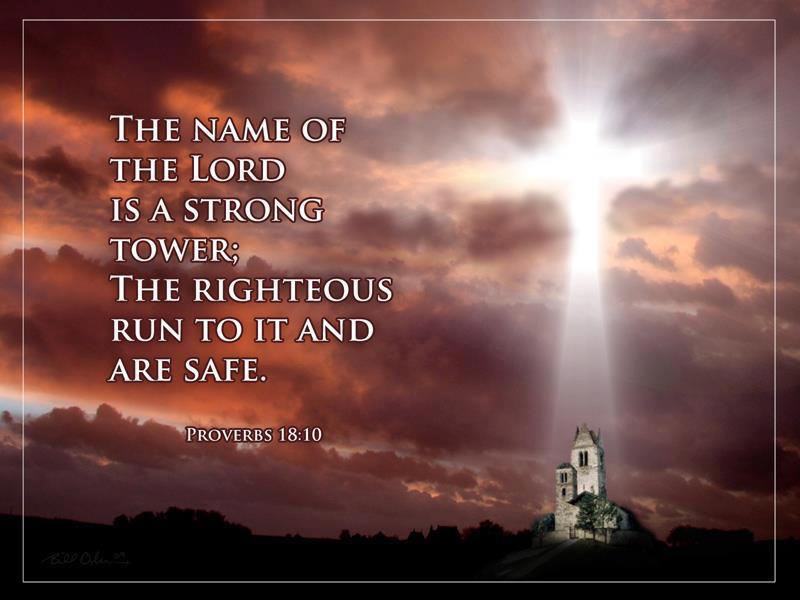
Proverbs 18:10 The name of the LORD is a strong tower; The righteous run to it and are safe.
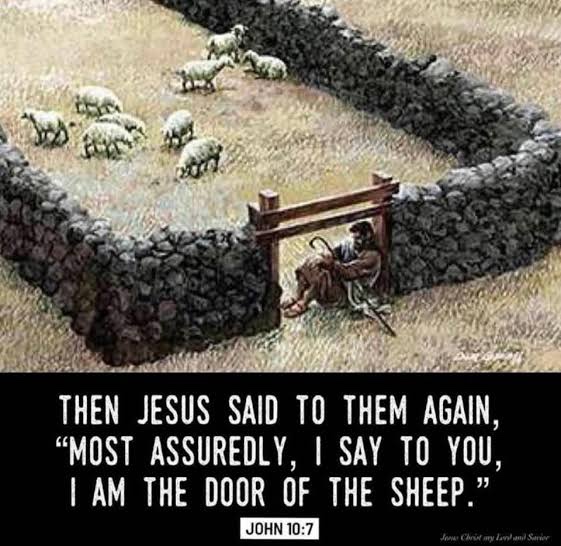
In Biblical times, shepherds slept across the one “entrance and exit door” of the sheepfold, symbolising themselves as the door and gate through which sheep may enter or exit; there was no “back door”. This would be the first barrier of entry to be negotiated by the predator of the sheep.
Meditate on these scriptures …….
Numbers 27:16 “Let the LORD, the God of the spirits of all flesh, set a man over the congregation, 17 who may go out before them and go in before them, who may lead them out and bring them in, that the congregation of the LORD may not be like sheep which have no shepherd.”
In the New Covenant, Jesus presents Himself as the Door of the sheep
John 10:7 Then Jesus said to them again, “Most assuredly, I say to you, I am the door of the sheep. 8 All who ever came before Me are thieves and robbers, but the sheep did not hear them. 9 I am the door. If anyone enters by Me, he will be saved, and will go in and out and find pasture. 10 The thief does not come except to steal, and to kill, and to destroy. I have come that they may have life, and that they may have it more abundantly.
There is only ONE door. Jesus makes a clear distinction between His “gate keeping mandate” and those who are “enemies of the sheep” who carry a predatory spirit that causes them to steal, kill and destroy.
Present day leadership and governance, represent Jesus as the door or keepers of the gate; they must be able to impart a protective grace within their households of faith.
David is a perfect example of this type of leader (spiritual father).
As a young boy, he provided oversight to a little flock of sheep that belonged to his father Jesse. He embodied and personified the finest qualities of a gatekeeper. He killed the predators who would seek to destroy the lives of the sheep. He did not chase them away; David killed them. The lives of the sheep were of paramount importance to David. David literally “took the lamb out of the mouth of the predator”
1 Samuel 17:34 But David said to Saul, “Your servant used to keep his father’s sheep, and when a lion or a bear came and took a lamb out of the flock, 35 I went out after it and struck it, and delivered the lamb from its mouth; and when it arose against me, I caught it by its beard, and struck and killed it.
David demonstrated the “spirit of the shepherd, who is the elect, called and chosen by God the Father, to represent Christ Jesus, the Good Shepherd. This grace is further evident and manifested when David readily and fearlessly accepts the challenge to kill Goliath.
Do not expect spiritual fathers to remain passive when the lives of those entrusted to his oversight are being compromised or at risk. We must discern a responsible shepherd/ keeper of the door or gate, from a hireling
John 10:11 “I am the good shepherd. The good shepherd gives His life for the sheep. 12 But a hireling, he who is not the shepherd, one who does not own the sheep, sees the wolf coming and leaves the sheep and flees; and the wolf catches the sheep and scatters them. 13 The hireling flees because he is a hireling and does not care about the sheep.
The hireling carries the spirit of the mercenary, who works for his daily wages and has no regard for the life of the sheep. Spiritual fathers must heed the counsel of Peter, who called for sobriety and vigilance and a resolute resistance to the devil who is responsible for global suffering by the brethren
1 Peter 5:8 Be sober, be vigilant; because your adversary the devil walks about like a roaring lion, seeking whom he may devour. 9 Resist him, steadfast in the faith, knowing that the same sufferings are experienced by your brotherhood in the world.
In conclusion, true spiritual fathers are not searching for a sentimental or manipulative relationship with their spiritual sons. The apostle Paul clearly declares his intention. He does not desire to be a burden to the believers in Corinth. His priority is the spiritual life and advancement of the believer, not what belongs to the believer.
2 Corinthians 12:14 Now for the third time I am ready to come to you. And I will not be burdensome to you; for I do not seek yours, but you. For the children ought not to lay up for the parents, but the parents for the children. 15 And I will very gladly spend and be spent for your souls; though the more abundantly I love you, the less I am loved.
The Apostle John shared the same desire
3 John 1:4 I have no greater joy than to hear that my children walk in truth.
TRADUZIDO PELO PASTOR RAFAEL NOGUEIRA REZENDE – CBVC CHAPERO
PASTOR RAFAEL NOGUEIRA REZENDE – CBVC CHAPERO
HONRANDO OS PAIS ESPIRITUAIS
PERSPECTIVA – AP MERVIN MUNDIE – MINISTÉRIOS DE ALCANCE CRISTÃO UMZINTO ÁFRICA DO SUL
Ter um bom pai espiritual ou mentor em sua vida é realmente um presente de Deus.
Sua resposta a esse presente vai determinar muito do que acontecerá no seu futuro.
As Escrituras dizem: “Sejam considerados dignos de dupla honra os anciãos que bem governam, especialmente aqueles que trabalham na palavra e na doutrina” (1 Timóteo 5:17).
Honra revela caráter. Homenagear alguém significa demonstrar aprovação, gratidão e respeito. Desonrar alguém significa desprezar, menosprezar, menosprezar e insultar. Aqueles que honram seus pais prolongam suas vidas e aqueles que desonram seus pais encurtam suas vidas.
Essa verdade está no Quinto Mandamento. “Honra teu pai e tua mãe: para que os teus dias sejam longos na terra que o SENHOR, teu Deus, te dá” (Êxodo 20:12).
Você não tem apenas pais naturais, mas também pais espirituais.
Um pai espiritual é aquela pessoa que Deus coloca em sua vida para ajudar você a se tornar tudo aquilo que Deus te chamou a ser.
Pais espirituais transferem uma riqueza de conhecimento para seus filhos e filhas por meio do espírito de sabedoria. As escrituras dizem: “Aquele que anda com os sábios será sábio; mas um companheiro de tolos será destruído” (Provérbios 13:20).
Ter um pai espiritual em sua vida é um presente de Deus. Sua resposta a esse presente vai determinar muito do que acontecerá no seu futuro.
Honrar os pais espirituais no reino de Deus está enraizado em princípios bíblicos de mentoria, responsabilidade e respeito à autoridade espiritual.
Base Bíblica da Paternidade Espiritual
Linhagem Espiritual:
O apóstolo Paulo descreveu a paternidade espiritual ao escrever que os crentes podem ter muitos instrutores, “mas não tens muitos pais; pois em Cristo Jesus eu vos gerei pelo evangelho”
(1 Coríntios 4:15).
Figuras como Paulo (com Timóteo e Tito), Elias (com Eliseu) e Moisés (com Josué) mostram como crentes maduros nutrem, guiam e transmitem vida espiritual aos mais jovens.
O Coração da Honra: As Escrituras ordenam honra àqueles que trabalham na liderança (como os anciãos dignos de “dupla honra” em 1 Timóteo 5:17).
Maneiras Práticas de Honrar Pais Espirituais:
Oração e Intercessão: Carregar o peso das lutas deles por meio da oração constante é uma expressão fundamental de cuidado.
Apoio Prático e Generosidade: Homenagear líderes tem uma dimensão prática — atender às necessidades, mostrar hospitalidade e ser generoso com os recursos como uma extensão de respeito.
Espírito Ensinável: Demonstrar honra significa ouvir instruções, valorizar sua sabedoria e aplicar conselhos piedosos, em vez de agir por rebeldia ou orgulho.
Proteger sua Integridade: Manter sua reputação e evitar desrespeito público ou divisão — reconhecendo que sementes de honra plantadas na liderança atual moldam como as futuras gerações honrarão os outros.
Deus colocou propositalmente nosso pai espiritual em nossa vida para que possamos ter proteção contra os ataques do inimigo.
Sem um pai espiritual em nossa vida, estamos constantemente expostos aos dardos flamejantes do inimigo e, eventualmente, enfrentamos nossas batalhas sozinhos.
Deus colocou em nossas vidas o pai perfeito do Pai, o Filho, odres de vinho, com Deus, o pai, e Deus, o Filho.
No meio da vida agitada de Jesus, ensinando, pregando e realizando milagres, ele ainda arranjava tempo para se comunicar com Seu Pai.
Conectar-se a uma legítima Graça Paterna é de extrema importância para a sobrevivência da igreja nesta época, especialmente com os ataques ao povo de Deus de todas as áreas da vida.
Que continuemos a Honrar os Pais Espirituais
Temos falado sobre Liderança e Governança que representam o Senhor; quando os líderes estão espiritualmente alinhados e configurados em sua representação do Sacerdote Chefe Cristo Jesus, eles naturalmente conferem, irradiam e exalam uma graça protetora sobre sua esfera de jurisdição. Pais espirituais são os “pastores representativos” de suas famílias espirituais.
Provérbios 18:10 O nome do SENHOR é uma torre forte; Os justos correm até lá e estão seguros.
Na época bíblica, os pastores dormiam em frente à única “porta de entrada e saída” do curral, simbolizando-se como a porta e o portão por onde as ovelhas podiam entrar ou sair; Não havia “porta dos fundos”. Essa seria a primeira barreira de entrada a ser ultrapassada pelo predador das ovelhas.
Medite sobre essas escrituras …….
Números 27:16 “Que o SENHOR, Deus dos espíritos de toda a carne, coloque um homem sobre a congregação, 17 que possa sair antes deles e entrar antes deles, que os conduza para fora e os traga para dentro, para que a congregação do SENHOR não seja como ovelhas que não têm pastor.”
Na Nova Aliança, Jesus se apresenta como a Porta das ovelhas
João 10:7 Então Jesus lhes disse novamente: “Com toda certeza, eu vos digo: Eu sou a porta das ovelhas. 8 Todos os que vieram diante de mim são ladrões e ladrões, mas as ovelhas não os ouviram. 9 Eu sou a porta. Se alguém entrar por Mim, será salvo, e entrará e sairá para encontrar pasto. 10 O ladrão não vem senão para roubar, matar e destruir. Vim para que tenham vida, e para que a tenham em abundância.
Só tem UMA porta. Jesus faz uma distinção clara entre Seu “mandato de guarda do portão” e aqueles que são “inimigos das ovelhas” que carregam um espírito predatório que os faz roubar, matar e destruir.
A liderança e a governança atuais representam Jesus como a porta ou guardiões do portão; Eles devem ser capazes de transmitir uma graça protetora em suas famílias de fé.
Davi é um exemplo perfeito desse tipo de líder (pai espiritual).
Quando menino, ele supervisionava um pequeno rebanho de ovelhas que pertencia ao seu pai Jesse. Ele personificava e personificava as melhores qualidades de um porteiro. Ele matou os predadores que buscavam destruir a vida das ovelhas. Ele não os afastou; Davi os matou. A vida das ovelhas era de suma importância para Davi. Davi literalmente “tirou o cordeiro da boca do predador”
1 Samuel 17:34 Mas Davi disse a Saul: “Teu servo costumava guardar as ovelhas do pai, e quando um leão ou um urso vinha e tirava um cordeiro do rebanho, 35 eu saí atrás dele, o bati e libertei o cordeiro da boca; e quando se levantou contra mim, agarrei-o pela barba, bati e matei.
Davi demonstrou o “espírito do pastor, que é o eleito, chamado e escolhido por Deus Pai, para representar Cristo Jesus, o Bom Pastor. Essa graça fica ainda mais evidente e manifestada quando Davi aceita pronta e destemidamente o desafio de matar Golias.
Não espere que pais espirituais permaneçam passivos quando a vida daqueles confiados à sua supervisão está sendo comprometida ou em risco. Devemos discernir um pastor/responsável encarregado pela porta ou portão, de um mercenário
João 10:11 “Eu sou o bom pastor. O bom pastor dá Sua vida pelas ovelhas. 12 Mas um mercenário, aquele que não é pastor, aquele que não possui as ovelhas, vê o lobo chegando, deixa as ovelhas e foge; e o lobo pega as ovelhas e as dispersa. 13 O mercenário foge porque é um mercenário e não se importa com as ovelhas.
O mercenário carrega o espírito do mercenário, que trabalha pelo seu salário diário e não se importa com a vida das ovelhas. Os pais espirituais devem ouvir o conselho de Pedro, que pediu sobriedade e vigilância e uma resistência resoluta ao diabo, responsável pelo sofrimento global dos irmãos
1 Pedro 5:8 Sê sóbrio, fique vigilante; Porque seu adversário, o diabo, anda por aí como um leão rugidor, procurando a quem devorar. 9 Resista a ele, firme na fé, sabendo que os mesmos sofrimentos são vividos pela sua fraternidade no mundo.
Em conclusão, verdadeiros pais espirituais não buscam um relacionamento sentimental ou manipulador com seus filhos espirituais. O apóstolo Paulo declara claramente sua intenção. Ele não deseja ser um fardo para os crentes em Corinto. Sua prioridade é a vida espiritual e o avanço do crente, não o que pertence ao crente.
2 Coríntios 12:14 Agora, pela terceira vez, estou pronto para vir até vocês. E não serei um peso para você; pois não busco o seu, mas você. Pois as crianças não devem se deitar para os pais, mas os pais para as crianças. 15 E eu gastarei de bom grado e serei gasto por suas almas; embora quanto mais eu te ame, menos sou amado.
O apóstolo João compartilhava o mesmo desejo
3 João 1:4 Não tenho maior alegria do que ouvir que meus filhos andam em verdade.
Proverbs 18:10 10 The name of the LORD is a strong tower; The righteous run to it and are safe.Roy Pillay – CCF International Church South Africa
Article extracted by Ap Pedro Amancio of CBVC Chaperofrom Roy Pillay’s presentationin Rio de Janeiro
A Message to Leadership: Integrity, Justice, and the Purity of the Church
A framework inspired by reflections shared by Roy Pillay. Grounded in the Scriptures. Adapted by: Pedro Amancio.
Introduction: God Is in Control.
Regardless of what is happening on earth, God is in control of everything. Salvation and the operation of divine grace do not depend on human merit, virtues, or the strict observance of doctrines; rather, they are granted exclusively through the grace and mercy of God. This grace is a supernatural force that strengthens and empowers humanity, often channeled through human vessels.
God’s sovereignty transcends human circumstances. In the face of global crises, wars, or social chaos, the Bible teaches that ultimate control never slips from the Creator’s hands.
Psalm 115:3 — “Our God is in the heavens; He does whatever pleases Him.” Very Important Caution ….“This does not mean that God will violate His own code of righteousness and justice. This is the essence of who God is. He is inherently righteous”
This serves as a call to inner peace, a reminder that human history is moving toward the purpose He has ordained.
Psalm 89:14 — “Righteousness and justice are the foundation of Your throne; mercy and truth go before Your face.”
God’s throne is established upon righteousness and justice, yet it is mercy and truth that pave the way toward Him. This is precisely what sustains the leadership He raises up. Even before judgment reaches us, God sends His truth, His mercy, and His forgiving love ahead of us. In truth, there is first mercy—forgiving love—and the justice that punishes sin for the sake of salvation. It is not merit, but grace, that produces integrity.
The Church as a Pillar of Truth that reveals the Integrity of Leadership at its foundation
1 Timothy 3:15. “So that you may know how one ought to conduct oneself in the house of God, which is the church of the living God, the pillar and foundation of the truth.”
The Bible tells us that the church is the pillar and foundation of the truth. This means that integrity within the church is not optional. Leadership can rise or fall; therefore, it is imperative that there be integrity among those in leadership. We must be careful in how we judge others. What credibility do we have to speak about things that we ourselves do not practice?
Proverbs 18:10: “The name of the Lord is a strong tower; the righteous run to it and are safe.”
If people cannot find righteousness and integrity in the world outside, they should be able to find them within the church. In the absence of upright leadership, the society around us becomes a negative testimony. The church must serve as a point of reference. If the leadership is divided, times of decision-making—such as during elections or other important choices—will descend into chaos.
The Church as the Guardian of the Truth.
The apostle Paul describes the church as the pillar and foundation of the truth. In ancient architecture, columns supported the roof and displayed important decrees for all to see.
The church does not invent the truth; rather, it has a duty to uphold it, protect it, and display it visibly to the world. If the church fails to live out the truth, society loses its primary moral and spiritual reference point. This is why integrity within the church is not optional. This is also why questions regarding our credibility—when we speak of things we do not practice—carry such weight; they strike at the very heart of biblical ethics.
Jesus sternly confronted the leaders of His day: they spoke, but they did not practice what they preached. Biblical leadership is not sustained by titles or charisma, but by character.
James 3:1. “My brothers, not many of you should become teachers, for you know that we who teach will be judged with greater strictness.”
A leader’s lack of integrity destroys the faith of many and ruins the reputation of the Gospel.
The Church as a Safe Haven.
The Church is like a safe haven; it bears the Name of the Lord. The reference to Proverbs highlights the contrast between the outside world and the community of faith. If the Name of the Lord is a strong tower, then the community of believers that bears His name should confer that same security upon the community
In a society marked by corruption, injustice, and falsehood, the church should function as an embassy of Heaven. Those who enter its doors should encounter the very opposite of what they see in the surrounding culture: justice, acceptance, and truth.
When the church tolerates injustice within its own ranks, it becomes—as aptly described by Apostle Roy Pillay—a form of negative advertisement that drives people away from God instead of drawing them toward Him.
The Danger of Division in Leadership.
Matthew 12:25: “Jesus, knowing their thoughts, said to them, ‘Every kingdom divided against itself will be ruined, and every city or household divided against itself will not stand.'”
When church leaders become divided by human, ideological, or political interests, the focus on the primary mission is lost. During times of decision-making—whether regarding internal church matters or civil elections—a lack of maturity and unity among the leadership drags the flock into polarization, creating scandal and confusion. The church must be a voice that points toward eternal values, rather than a reflection of the divisions found in the world.
The Absence of a Standard.
Judges 21:25: “In those days there was no king in Israel; everyone did what was right in their own eyes.”
Apostle Roy Pillay cited the Book of Judges to explain the degradation of that era: when there is no consecrated leadership, moral chaos ensues.
Judges 19:16. “And behold, an old man was coming in from his work in the field in the evening… the man was from the hill country of Ephraim and was sojourning in Gibeah; but the men of that place were Benjamites.”
Judges 19 reveals the reality of a society lacking clear spiritual leadership and righteous hospitality. When leadership fails to be salt and light, society becomes corrupt. The church requires untainted leadership that draws people toward Christ. The church exists to provide peace and offer a perspective distinct from what the kingdoms of this world provide.
The inhabitants of Gibeah (the Benjamites) completely violated the sacred principle of hospitality. Instead of welcoming the sojourner, the city displayed a perversion identical to that of Sodom and Gomorrah. When there is no leadership to teach, embody, and defend the Word of God, society loses its moral compass. What occurred in Gibeah was the practical consequence of a nation that had abandoned the altar.
Salt and Light
Matthew 5:13-14. “You are the salt of the earth. But if the salt loses its flavor, how can it be restored? It is good for nothing, except to be thrown out and trampled underfoot by men. You are the light of the world. A city built on a hill cannot be hidden.”
Salt serves to prevent rot—that is, corruption—while light serves to dispel darkness, which represents moral blindness.
If leaders and the church fail to confront sin and live in purity, they lose their flavor. Corrupt leadership of the church has no credibility to talk to Government about corrupt leaders. The result is a society that decays, lacking any moral restraint. Integrity in leadership is not a luxury; it is a necessity for the survival of the Gospel’s testimony.
The Church as a Place of Peace and Refuge
The apostle Roy Pillay makes it clear that the Church serves as a place of peace and refuge, offering a comforting truth. The church exists to provide peace; it offers a perspective distinct from what the kingdoms of this earth provide.
Unlike earthly kingdoms—which often operate on the basis of power, oppression, exploitation, and exclusion (much like the men of Gibeah did toward the travelers)—the Church should be an environment defined by the Kingdom of God: a place of healing, welcome, and supernatural peace.
John 14:27 — “Peace I leave with you; my peace I give you. I do not give to you as the world gives.”
Those who enter the house of God—weary and wounded by the tragedies of the world—should find a safe harbor, not further hostility.
Integrity in leadership and purity within the church are the very tools that draw people to Christ. People are not converted by empty rhetoric, but by the profound impact of witnessing a community that truly lives out what it preaches. The tragedy in Judges 19 serves to remind us of the abyss that awaits us if we neglect God’s purity and justice.
Prosperity, Justice, and Earthly Governments
Meritocracy within governments and the prosperity of nations are linked to justice. Let us return to Psalm 89:14: “Righteousness and justice are the foundation of Your throne.” And Proverbs 18:10 reminds us that “the name of the Lord is a strong tower.” Any nation governed by God’s principles becomes a secure environment—with low crime rates, where people can walk the streets freely—and such nations are prosperous.
Christians are not immutable. The Lord is immutable; His Word is immutable; His Promises are immutable. Believers are called to represent the immutability of the Lord, His Word and His Promises in their nature.
2 Corinthians 1:20: “For all the promises of God in Him are Yes, and in Him Amen, to the glory of God through us.”
Traduzido pelo Pastor Rafael Nogueira Rezende (CBVC Chapero)
Apostle Roy Pillay spoke of the clear distinction between the functioning of human societies and the eternal identity of the Christian, highlighting that our ultimate security does not come from earthly politics, but from the immutability of God.
The Practice of Justice as the Foundation of Social Prosperity
Apostle Roy Pillay linked the prosperity and security of a nation to the practice of righteousness and justice. This reflects a clear principle found throughout Scripture.
When a human government aligns itself with God’s ethical principles—punishing evil, protecting the innocent, and promoting equity—the natural result is a secure and prosperous society.
Proverbs 14:34: “Righteousness exalts a nation, but sin is a disgrace to any people.” Environments where crime is low and people walk about freely are earthly reflections of the security and order that belong to the character of God.
Psalm 89:14. “Righteousness and justice are the foundation of your throne; love and faithfulness go before you.”
Our primary citizenship is in heaven.
Philippians 3:20: “But our citizenship is in heaven, and we eagerly await a Savior from there, the Lord Jesus Christ.”
1 John 2:15-17: “Do not love the world or anything in the world. If anyone loves the world, love for the Father is not in them. For everything in the world—the lust of the flesh, the lust of the eyes, and the pride of life—comes not from the Father but from the world. The world and its desires pass away, but whoever does the will of God lives forever.”
This does not refer to the physical creation—nature or people—but rather to the corrupt and selfish value system that draws us away from God; it is a disconnection from the earthly system.
We must be connected to God, not to earthly governments. This means that the church neither becomes corrupt nor falls into despair amidst political crises. Even if a human government fails or changes, the Christian’s commitment to the truth must remain unshakable.
The Steadfastness of the Promises in Christ
2 Corinthians 1:20: “For no matter how many promises God has made, they are ‘Yes’ in Christ. And so through him the ‘Amen’ is spoken by us to the glory of God.” Apostle Roy Pillay pointed out that, in the world, rulers often make promises they either cannot or do not intend to keep. With God, the reality is the exact opposite.
All of God’s promises find their validation, fulfillment, and certainty in Jesus Christ. His “Yes” serves as the guarantee, while our “Amen” stands as our response of faith and agreement.
While earthly kingdoms offer only fleeting stability, the covenant in Christ provides a security that cannot be shaken by human decrees, economic crises, or shifts in power.
A Pure Vision and the Lament of Jesus.
Luke 19:41–44: “As he approached and saw the city, he wept over it, saying, ‘If only you had known, even on this day, what would bring you peace! But now it is hidden from your eyes…'”
We must rise above, ensuring that our engagement with earthly politics does not compromise our purity. We need to occupy a higher vantage point. This is not betrayal; it is spiritual purity—aligning ourselves with the Father’s vision. We cannot compromise or undermine the Father’s vision. His house is a house of prayer.
Jesus wept over Jerusalem because the people failed to recognize His divine visitation. In difficult times, Jesus is our strong tower. True peace is found within the Church. Jesus was present in Jerusalem, yet the people did not take Him seriously, and the city was ultimately destroyed. Jesus weeps when we fail to respond to His visitation.
The message brought clarity regarding the distinction between earthly political activism and spiritual discernment, while warning us of the danger that the Church might lose its identity and fail to recognize the work of God. As I understand the remarks made by Apostle Roy Pillay—on Thursday, October 29, and on November 2 and 3, 2026—the church must not transform itself into a political party or focus solely on human causes; to do so risks losing sight of its true spiritual mission and failing to perceive what God is actually doing.
Christians possess the discernment of the Holy Spirit, which sets them apart from the political squabbles and arguments of the world. We have the capacity to view things through the eyes of faith, along with the spiritual discernment to avoid becoming entangled in political demands and disputes—as such involvement can blind people to spiritual truths.
Matthew 22:15–22: “Then the Pharisees went out and laid plans to trap him in his words. They sent their disciples to him along with the Herodians. ‘Teacher,’ they said, ‘we know that you are a man of integrity and that you teach the way of God in accordance with the truth. You aren’t swayed by others, because you pay no attention to who they are. Tell us then, what is your opinion? Is it right to pay the imperial tax to Caesar or not?’ But Jesus, knowing their evil intent, said, ‘You hypocrites, why are you trying to trap me? Show me the coin used for paying the tax.’ They brought him a denarius, and he asked them, ‘Whose image is this? And whose inscription?’ ‘Caesar’s,’ they replied. Then he said to them, ‘So give back to Caesar what is Caesar’s, and to God what is God’s.’ When they heard this, they were amazed; so they left him and went away.”
Politics poses a danger to the church, as well as to its leadership. If a church leader focuses all their energy on political agendas, they lose their identity in Christ, and the church ceases to be a place of faith, love, and welcome. It will fail in its primary mission, becoming merely another human organization rather than a channel for God on Earth.
Conclusion.
To our fellow leaders: we must be mindful of how we steward the Lord’s church. A “clean” leadership draws people to Christ. May our credibility stem from the integrity we practice, not merely from what we preach. Let the church be a place where the righteousness and peace of the Kingdom are visible, so that the world may behold a perspective distinct from what the kingdoms of this earth offer.
Regarding the “Higher Branch.”
This signifies a spiritual elevation above earthly politics. We must rise higher, ensuring that our engagement with the politics of this world does not compromise our purity.
Purity versus partisanship—seeking a “higher branch” does not imply social alienation; rather, it is a refusal to lower the eternal Gospel to the level of temporal political passions and disputes. When the church merges with earthly systems, it forfeits its prophetic authority.
Faithfulness to the Father—this stance is not betrayal; it is spiritual purity. True betrayal would be to compromise the Father’s vision by trading the Church’s spiritual mission for human political power. The Church is, first and foremost, a house of prayer.
Mark 11:17: “And He taught them, saying, ‘Is it not written, “My house shall be called a house of prayer for all nations”? But you have made it a “den of thieves.”‘”
The Church is a place for alignment with Heaven, not a platform for earthly agendas. The same risk persists today: if the leadership and the congregation become overly entangled in earthly political and governmental struggles, their spiritual vision may become obscured. Jesus was physically present in Jerusalem, yet He was overlooked by the institutional leadership.
While the world seeks peace through decrees, elections, and ideologies, true spiritual peace is found within the church’s communion with Christ. Jesus’ weeping reveals His merciful heart, which suffers as He beholds His people enduring the consequences of choosing the ways of the world rather than the ways of the Kingdom.
Source: A message from Apostle Roy Pillay — October 2026. Structured and inspired by reflections, and grounded in the Scriptures. Adapted by: Apostle Pedro Amancio.
Liderança: Integridade, Justiça e a Pureza da Igreja
Roy Pillay – CCF Igreja Internacional África do SulArtigo extraído por Ap Pedro Amancio, da CBVC Chapero, da ministraçãoo de Roy Pillay no Rio de Janeiro
Liderança: Integridade, Justiça e a Pureza da Igreja
Provérbios 18:10 O nome do SENHOR é uma torre forte; Os justos correm até lá e estão seguros.
Uma Mensagem para a Liderança: Integridade, Justiça e a Pureza da Igreja
Uma estrutura inspirada em reflexões compartilhadas por Roy Pillay. Fundamentado nas Escrituras. Adaptado por: Pedro Amancio.
Introdução: Deus está no controle.
Independentemente do que está acontecendo na Terra, Deus está no controle de tudo. A salvação e a operação da graça divina não dependem do mérito humano, das virtudes ou da observância estrita das doutrinas; ao contrário, são concedidos exclusivamente pela graça e misericórdia de Deus. Essa graça é uma força sobrenatural que fortalece e fortalece a humanidade, frequentemente canalizada por meio de recipientes humanos.
A soberania de Deus transcende as circunstâncias humanas. Diante de crises globais, guerras ou caos social, a Bíblia ensina que o controle supremo nunca escapa das mãos do Criador.
Salmo 115:3 — “Nosso Deus está nos céus; Ele faz o que Ele gosta.” Cautela Muito Importante… “Isso não significa que Deus violará Seu próprio código de justiça e justiça. Essa é a essência de quem Deus é. Ele é inerentemente justo”
Isso serve como um chamado à paz interior, um lembrete de que a história humana está caminhando em direção ao propósito que Ele ordenou.
Salmo 89:14 — “A justiça e a justiça são o fundamento do Vosso trono; misericórdia e verdade vão diante de Teu rosto.”
O trono de Deus é estabelecido sobre a justiça e a justiça, mas é a misericórdia e a verdade que abrem caminho para Ele. É exatamente isso que sustenta a liderança que Ele levanta. Mesmo antes de o julgamento nos alcançar, Deus envia Sua verdade, Sua misericórdia e Seu amor perdoador à nossa frente. Na verdade, há a primeira misericórdia — o amor perdoador — e a justiça que pune o pecado em prol da salvação. Não é o mérito, mas a graça, que produz integridade.
A Igreja como um Pilar da Verdade que revela a Integridade da Liderança em sua base
1 Timóteo 3:15. “Para que saibas como se deve conduzir na casa de Deus, que é a igreja do Deus vivo, o pilar e o fundamento da verdade.”
A Bíblia nos diz que a igreja é o pilar e o fundamento da verdade. Isso significa que a integridade dentro da igreja não é opcional. A liderança pode subir ou cair; Portanto, é imperativo que haja integridade entre os que estão na liderança. Devemos ter cuidado com a forma como julgamos os outros. Que credibilidade temos para falar sobre coisas que nós mesmos não praticamos?
Provérbios 18:10: “O nome do Senhor é uma torre forte; os justos correm até lá e estão seguros.”
Se as pessoas não conseguem encontrar justiça e integridade no mundo exterior, deveriam poder encontrá-las dentro da igreja. Na ausência de uma liderança íntegra, a sociedade ao nosso redor torna-se um testemunho negativo. A igreja deve servir como ponto de referência. Se a liderança estiver dividida, os momentos de tomada de decisão — como durante eleições ou outras escolhas importantes — descerão ao caos.
A Igreja como Guardiã da Verdade.
O apóstolo Paulo descreve a igreja como o pilar e o fundamento da verdade. Na arquitetura antiga, colunas sustentavam o telhado e exibiam decretos importantes para todos verem.
A igreja não inventa a verdade; Na verdade, tem o dever de mantê-la, protegê-la e exibi-la visivelmente ao mundo. Se a igreja não viver a verdade, a sociedade perde seu principal ponto de referência moral e espiritual. É por isso que a integridade dentro da igreja não é opcional. É também por isso que questões sobre nossa credibilidade — quando falamos de coisas que não praticamos — têm tanto peso; Eles atingem o cerne da ética bíblica.
Jesus confrontou severamente os líderes de Seu tempo: eles falavam, mas não praticavam o que pregavam. A liderança bíblica não é sustentada por títulos ou carisma, mas pelo caráter.
Tiago 3:1. “Meus irmãos, poucos de vocês deveriam se tornar professores, pois sabem que nós, que ensinamos, seremos julgados com maior rigor.”
A falta de integridade de um líder destrói a fé de muitos e arruína a reputação do Evangelho.
A igreja como refúgio seguro.
A Igreja é como um refúgio seguro; ela traz o Nome do Senhor. A referência a Provérbios destaca o contraste entre o mundo exterior e a comunidade de fé. Se o Nome do Senhor é uma torre forte, então a comunidade de crentes que leva Seu nome deve conferir essa mesma segurança à comunidade
Em uma sociedade marcada pela corrupção, injustiça e falsidade, a igreja deveria funcionar como uma embaixada do Céu. Quem entra por suas portas deve encontrar o oposto do que veem na cultura ao redor: justiça, aceitação e verdade.
Quando a igreja tolera injustiças dentro de suas próprias fileiras, ela se torna — como descrita de forma apropriada pelo apóstolo Roy Pillay — uma forma de propaganda negativa que afasta as pessoas de Deus em vez de atraí-las para Ele.
O Perigo da Divisão na Liderança.
Mateus 12:25: “Jesus, conhecendo seus pensamentos, disse-lhes: ‘Todo reino dividido contra si mesmo será arruinado, e toda cidade ou casa dividida contra si mesma não permanecerá.'”
Quando os líderes da igreja se dividem por interesses humanos, ideológicos ou políticos, o foco na missão principal se perde. Durante períodos de tomada de decisão — seja em questões internas da igreja ou eleições civis — a falta de maturidade e unidade entre a liderança arrasta o rebanho para a polarização, criando escândalos e confusão. A igreja deve ser uma voz que aponte para valores eternos, e não um reflexo das divisões encontradas no mundo.
A ausência de um padrão.
Juízes 21:25: “Naqueles dias não havia rei em Israel; Cada um fez o que era certo aos seus próprios olhos.”
O apóstolo Roy Pillay citou o Livro dos Juízes para explicar a degradação daquela era: quando não há liderança consagrada, ocorre o caos moral.
Juízes 19:16. “E eis que um velho estava chegando de seu trabalho no campo à noite… o homem era da região montanhosa de Efraim e estava hospedado em Gibea; mas os homens daquele lugar eram benjamitas.”
Juízes 19 revela a realidade de uma sociedade sem liderança espiritual clara e hospitalidade justa. Quando a liderança deixa de ser luz e sal e luz, a sociedade se torna corrupta. A igreja exige uma liderança pura que atraia as pessoas para Cristo. A igreja existe para proporcionar paz e oferecer uma perspectiva distinta daquela que os reinos deste mundo oferecem.
Os habitantes de Gibea (os benjamitas) violaram completamente o princípio sagrado da hospitalidade. Em vez de receber o viajante, a cidade exibia uma perversão idêntica à de Sodoma e Gomorra. Quando não há liderança para ensinar, incorporar e defender a Palavra de Deus, a sociedade perde sua bússola moral. O que aconteceu em Gibea foi a consequência prática de uma nação que abandonou o altar.
Sal e Luz
Mateus 5:13-14. “Você é o sal da terra. Mas se o sal perde o sabor, como pode ser restaurado? Não serve para nada, exceto para ser expulso e pisoteado por homens. Você é a luz do mundo. Uma cidade construída em uma colina não pode ser escondida.”
O sal serve para prevenir a podridão — ou seja, a corrupção — enquanto a luz serve para dissipar a escuridão, que representa cegueira moral.
Se os líderes e a igreja falham em enfrentar o pecado e viver na pureza, perdem seu gosto. A liderança corrupta da igreja não tem credibilidade para falar com o Governo sobre líderes corruptos. O resultado é uma sociedade que se deteriora, sem qualquer restrição moral. Integridade na liderança não é um luxo; é uma necessidade para a sobrevivência do testemunho do Evangelho.
A Igreja como Lugar de Paz e Refúgio
O apóstolo Roy Pillay deixa claro que a Igreja serve como um lugar de paz e refúgio, oferecendo uma verdade reconfortante. A igreja existe para proporcionar paz; oferece uma perspectiva distinta do que os reinos desta terra oferecem.
Ao contrário dos reinos terrenos — que frequentemente operam com base no poder, opressão, exploração e exclusão (assim como os homens de Gibeah fizeram com os viajantes) — a Igreja deveria ser um ambiente definido pelo Reino de Deus: um lugar de cura, acolhimento e paz sobrenatural.
João 14:27 — “A paz deixo convosco; minha paz eu te dou. Eu não te dou como o mundo dá.”
Aqueles que entram na casa de Deus — cansados e feridos pelas tragédias do mundo — devem encontrar um porto seguro, não mais hostilidade.
Integridade na liderança e pureza dentro da igreja são justamente as ferramentas que atraem as pessoas para Cristo. As pessoas não se convertem por retórica vazia, mas pelo impacto profundo de testemunhar uma comunidade que realmente vive o que prega. A tragédia em Juízes 19 serve para nos lembrar do abismo que nos espera se negligenciarmos a pureza e a justiça de Deus.
Prosperidade, Justiça e Governos Terrenos
A meritocracia dentro dos governos e a prosperidade das nações estão ligadas à justiça. Voltemos ao Salmo 89:14: “A justiça e a justiça são o fundamento do Vosso trono.” E Provérbios 18:10 nos lembra que “o nome do Senhor é uma torre forte.” Qualquer nação governada pelos princípios de Deus torna-se um ambiente seguro — com baixas taxas de criminalidade, onde as pessoas podem andar livremente pelas ruas — e essas nações são prósperas.
Cristãos não são imutáveis. O Senhor é imutável; Sua Palavra é imutável; Suas Promessas são imutáveis. Os crentes são chamados a representar a imutabilidade do Senhor, de Sua Palavra e de Suas Promessas em sua natureza.
2 Coríntios 1:20: “Pois todas as promessas de Deus n’Ele são Sim, e n’Ele Amém, para a glória de Deus por meio de nós.”
O apóstolo Roy Pillay falou sobre a clara distinção entre o funcionamento das sociedades humanas e a identidade eterna do cristão, destacando que nossa segurança última não vem da política terrena, mas da imutabilidade de Deus.
A Prática da Justiça como Fundamento da Prosperidade Social
O apóstolo Roy Pillay ligou a prosperidade e a segurança de uma nação à prática da retidão e da justiça. Isso reflete um princípio claro encontrado em toda a Escritura.
Quando um governo humano se alinha aos princípios éticos de Deus — punir o mal, proteger os inocentes e promover a equidade — o resultado natural é uma sociedade segura e próspera.
Provérbios 14:34: “A justiça exalta a nação, mas o pecado é uma desonra para qualquer povo.” Ambientes onde a criminalidade é baixa e as pessoas andam livremente são reflexos terrenos da segurança e da ordem que pertencem ao caráter de Deus.
Salmo 89:14. “A retidão e a justiça são a base do seu trono; amor e fidelidade vão antes de você.”
Nossa cidadania principal está no céu.
Filipenses 3:20: “Mas nossa cidadania está no céu, e aguardamos ansiosamente um Salvador dali, o Senhor Jesus Cristo.”
1 João 2:15-17: “Não ames o mundo nem nada do mundo. Se alguém ama o mundo, o amor pelo Pai não está nele. Pois tudo no mundo — a luxúria da carne, a luxúria dos olhos e o orgulho da vida — não vem do Pai, mas do mundo. O mundo e seus desejos desaparecem, mas quem faz a vontade de Deus vive para sempre.”
Isso não se refere à criação física — natureza ou pessoas — mas sim ao sistema de valores corrupto e egoísta que nos afasta de Deus; É uma desconexão do sistema terrestre.
Devemos estar conectados a Deus, não aos governos terrenos. Isso significa que a igreja não se torna corrupta nem cai no desespero em meio a crises políticas. Mesmo que um governo humano fracasse ou mude, o compromisso do cristão com a verdade deve permanecer inabalável.
A Firmeza das Promessas em Cristo
2 Coríntios 1:20: “Pois não importa quantas promessas Deus tenha feito, elas são ‘Sim’ em Cristo. E assim, por meio dele, o ‘Amém’ é pronunciado por nós para a glória de Deus.” O apóstolo Roy Pillay apontou que, no mundo, governantes frequentemente fazem promessas que não podem ou não pretendem cumprir. Com Deus, a realidade é exatamente o oposto.
Todas as promessas de Deus encontram validação, realização e certeza em Jesus Cristo. Seu “Sim” serve como garantia, enquanto nosso “Amém” é nossa resposta de fé e concordância.
Enquanto os reinos terrenos oferecem apenas estabilidade passageira, a aliança em Cristo oferece uma segurança que não pode ser abalada por decretos humanos, crises econômicas ou mudanças de poder.
Uma visão pura e o lamento de Jesus.
Lucas 19:41–44: “Ao se aproximar e ver a cidade, chorou por ela, dizendo: ‘Se ao menos soubesses, mesmo neste dia, o que vos traria paz! Mas agora está escondido dos seus olhos…'”
Devemos nos elevar, garantindo que nosso engajamento com a política terrena não comprometa nossa pureza. Precisamos ocupar um ponto de vista mais alto. Isso não é traição; é pureza espiritual — alinhar-nos com a visão do Pai. Não podemos comprometer ou minar a visão do Pai. Sua casa é uma casa de oração.
Jesus chorou por Jerusalém porque o povo não reconheceu Sua visita divina. Em tempos difíceis, Jesus é nossa torre forte. A verdadeira paz está dentro da Igreja. Jesus estava presente em Jerusalém, mas o povo não o levou a sério, e a cidade acabou sendo destruída. Jesus chora quando não respondemos à Sua visita.
A mensagem trouxe clareza sobre a distinção entre ativismo político terreno e discernimento espiritual, ao mesmo tempo em que nos alertava sobre o perigo de a Igreja perder sua identidade e deixar de reconhecer a obra de Deus. Pelo que entendo das declarações feitas pelo Apóstolo Roy Pillay—na quinta-feira, 29 de outubro, e nos dias 2 e 3 de novembro de 2026—a igreja não deve se transformar em um partido político nem focar apenas em causas humanas; fazer isso corre o risco de perder de vista sua verdadeira missão espiritual e de não perceber o que Deus realmente está fazendo.
Os cristãos possuem o discernimento do Espírito Santo, que os diferencia das disputas políticas e argumentos do mundo. Temos a capacidade de enxergar as coisas pelos olhos da fé, junto com o discernimento espiritual para evitar nos enredarmos em demandas e disputas políticas — pois tal envolvimento pode cegar as pessoas para verdades espirituais.
Mateus 22:15–22: “Então os fariseus saíram e prepararam planos para aprisioná-lo em suas palavras. Eles enviaram seus discípulos junto com os herodianos. ‘Mestre’, disseram, ‘sabemos que você é um homem íntegro e que ensina o caminho de Deus de acordo com a verdade. Você não se deixa influenciar pelos outros, porque não presta atenção em quem eles são. Então nos diga, qual é a sua opinião? É correto pagar o imposto imperial a César ou não?’ Mas Jesus, sabendo da má intenção deles, disse: ‘Hipócritas, por que estão tentando me prender? Mostre-me a moeda usada para pagar o imposto.’ Eles lhe trouxeram um denário, e ele perguntou: ‘De quem é essa imagem? E de quem é a inscrição?’ ‘De César’, responderam. Então ele lhes disse: ‘Então devolvam a César o que é de César, e a Deus o que é de Deus.’ Quando ouviram isso, ficaram surpresos; então eles o deixaram e foram embora.”
A política representa um perigo para a igreja, assim como para sua liderança. Se um líder da igreja direciona toda sua energia para agendas políticas, ele perde sua identidade em Cristo, e a igreja deixa de ser um lugar de fé, amor e acolhimento. Ele falhará em sua missão principal, tornando-se apenas mais uma organização humana em vez de um canal para Deus na Terra.
Conclusão.
Aos nossos colegas líderes: devemos estar atentos a como cuidamos da igreja do Senhor. Uma liderança “limpa” atrai as pessoas para Cristo. Que nossa credibilidade venha da integridade que praticamos, e não apenas do que pregamos. Que a igreja seja um lugar onde a justiça e a paz do Reino sejam visíveis, para que o mundo possa contemplar uma perspectiva distinta do que os reinos desta terra oferecem.
Sobre o “Ramo Superior”.
Isso significa uma elevação espiritual acima da política terrena. Devemos nos elevar ainda mais, garantindo que nosso engajamento com a política deste mundo não comprometa nossa pureza.
Pureza versus partidarismo — buscar um “ramo superior” não implica alienação social; ao contrário, é uma recusa em rebaixar o Evangelho eterno ao nível de paixões e disputas políticas temporais. Quando a igreja se funde com os sistemas terrenos, ela perde sua autoridade profética.
Fidelidade ao Pai — essa postura não é traição; é pureza espiritual. A verdadeira traição seria comprometer a visão do Pai trocando a missão espiritual da Igreja pelo poder político humano. A Igreja é, antes de tudo, uma casa de oração.
Marcos 11:17: “E Ele lhes ensinou, dizendo: ‘Não está escrito: ‘Minha casa será chamada de casa de oração para todas as nações”? Mas você transformou isso em um “antro de ladrões.”‘”
A Igreja é um lugar de alinhamento com o Céu, não uma plataforma para agendas terrenas. O mesmo risco persiste hoje: se a liderança e a congregação se envolverem excessivamente nas lutas políticas e governamentais terrenas, sua visão espiritual pode se tornar obscurecida. Jesus estava fisicamente presente em Jerusalém, mas foi ignorado pela liderança institucional.
Enquanto o mundo busca a paz por meio de decretos, eleições e ideologias, a verdadeira paz espiritual é encontrada na comunhão da igreja com Cristo. O choro de Jesus revela Seu coração misericordioso, que sofre ao ver Seu povo suportando as consequências de escolher os caminhos do mundo em vez dos caminhos do Reino.
Fonte: Uma mensagem do Apóstolo Roy Pillay — outubro de 2026. Estruturado e inspirado em reflexões, e fundamentado nas Escrituras. Adaptado por: Apóstolo Pedro Amancio.
DIVERSITY – PERSPECTIVE BY PASTOR ALISTAIR PILLAY – CCF INTERNATIONAL CHURCH
PASTOR ALISTAIR PILLAY – CCF INTERNATIONAL CHURCH
1 Corinthians 9:19 For though I am free from all men, I have made myself a servant to all, that I might win the more; 20 and to the Jews I became as a Jew, that I might win Jews; to those who are under the law, as under the law, that I might win those who are under the law; 21 to those who are without law, as without law (not being without law toward God, but under law toward Christ), that I might win those who are without law; 22 to the weak I became as weak, that I might win the weak. I have become all things to all men, that I might by all means save some
Diversity is God working through believers with different gifts, personalities, abilities, experiences, and measures of grace, bringing them together to fulfil His divine purpose.
In the Kingdom of God, diversity does not mean that everyone must be the same. We are called to share the same Lord, remain faithful to biblical truth, and pursue the same Kingdom purpose. Yet God has given each of us a unique contribution to make
Paul understood that reaching different people sometimes required different approaches.
However, Paul did not abandon the truth of the Gospel. He adapted his approach while remaining committed to Christ and His Word.
This teaches us that we can be different in personality, communication, background, and approach without compromising our biblical convictions.
In 1 Corinthians 12:12–27, Paul describes the Church as one body with many members.
The eye has a different function from the hand. The ear has a different function from the foot. Yet every member is necessary for the healthy functioning of the body
Psalm 139:13 For you formed my inward parts, you covered me in my mother’s womb I will praise you for I am fearfully and wonderfully made
DIVERSITY The twelve men called and chosen by Jesus were from diverse occupations, personalities and characterics.
Among the twelve were fishermen and tax collectors. They had diverse temperaments.
For example Peter and John. Peter was bold, spontaneous, zealous, expressive whereas John was more quieter and compassionate, referred to as the one whom Jesus loved.
Acts 4:13 Now when they saw the boldness of Peter and John, and perceived that they were uneducated and untrained men, they marveled. And they realized that they had been with Jesus.
Although Peter and John had different personalities, both represented the authority, boldness, confidence and wisdom of Jesus. Our diversity and our lack of formative, theological training will not be able to hide our time spent in the Presence of the Lord. The Jewish Council was able to discern the source of their confidence and boldness…….. spending time with Jesus.
We may be diverse in nature and personality, but like Peter, our speech will betray us. Ordinary, unschooled men who were fearless, confident bold and courageous in declaring the gospel will reveal the reality that they had been in the Presence of the Lord
PETER IS BETRAYED BY HIS SPEECH
Matthew 26:71 And when he had gone out to the gateway, another girl saw him and said to those who were there, “This fellow also was with Jesus of Nazareth.” 72 But again he denied with an oath, “I do not know the Man!” 73 And a little later those who stood by came up and said to Peter, “Surely you also are one of them, for your speech betrays you.”
Although Peter was zealous and emotionally expressive, his speech revealed his association with Jesus
CONCLUSION Although we may have diverse personalities and temperaments, the Spirit of the Lord ought to abide in all of us, which betrays our time spent in His Presence.
Whether we are Gentile or Jew, it is Christ who is our bridge of reconciliation.
John heard the voice of the great multitude in heaven that declared together …..
Revelation 19:6 And I heard, as it were, the voice of a great multitude, as the sound of many waters and as the sound of mighty thunderings, saying, “Alleluia! For the Lord God Omnipotent reigns!
DIVERSIDADE – PERSPECTIVA DO PASTOR ALISTAIR PILLAY – IGREJA INTERNACIONAL CCF
Traduzido pelo Pastor Rafael Nogueira Rezende (CBVC Chapero)PASTOR ALISTAIR PILLAY – IGREJA INTERNACIONAL CCF
1 Coríntios 9:19 Pois, embora eu seja livre de todos os homens, tornei-me servo de todos, para que eu ganhasse ainda mais; 20 e para os judeus me tornei judeu, para conquistar judeus; àqueles que estão sob a lei, assim como sob a lei, para que eu possa vencer aqueles que estão sob a lei; 21 àqueles que não têm lei, assim como sem lei (não sendo sem lei para com Deus, mas sob a lei para Cristo), para que eu vença os que não têm lei; 22 aos fracos me tornei tão fraco quanto eu pudesse vencer os fracos. Tornei-me tudo para todos os homens, para que eu possa salvar alguns
Diversidade é Deus agindo através de crentes com diferentes dons, personalidades, habilidades, experiências e medidas de graça, reunindo-os para cumprir Seu propósito divino.
No Reino de Deus, diversidade não significa que todos devem ser iguais. Somos chamados a compartilhar o mesmo Senhor, permanecer fiéis à verdade bíblica e perseguir o mesmo propósito do Reino. Ainda assim, Deus deu a cada um de nós uma contribuição única para dar
Paulo entendia que alcançar pessoas diferentes às vezes exigia abordagens diferentes.
No entanto, Paulo não abandonou a verdade do Evangelho. Ele adaptou sua abordagem mantendo-se comprometido com Cristo e Sua Palavra.
Isso nos ensina que podemos ser diferentes em personalidade, comunicação, origem e abordagem sem comprometer nossas convicções bíblicas.
Em 1 Coríntios 12:12–27, Paulo descreve a Igreja como um só corpo com muitos membros.
O olho tem uma função diferente da mão. A orelha tem uma função diferente do pé. No entanto, cada membro é necessário para o funcionamento saudável do corpo
Salmo 139:13 Pois formaste minhas partes interiores, me cobriste no ventre da minha mãe Te louvou porque sou feito de forma temerosa e maravilhosa.
DIVERSIDADE
Os doze homens chamados e escolhidos por Jesus vinham de diversas ocupações, personalidades e características.
Entre os doze estavam pescadores e coletores de impostos. Eles tinham temperamentos diversos.
Por exemplo, Pedro e João. Pedro era ousado, espontâneo, zeloso, expressivo, enquanto João era mais quieto e compassivo, referido como aquele que Jesus amava.
Atos 4:13 Agora, ao verem a ousadia de Pedro e João, e perceberem que eram homens sem instrução e sem treinamento, ficaram maravilhados. E perceberam que tinham estado com Jesus.
Embora Pedro e João tivessem personalidades diferentes, ambos representavam a autoridade, ousadia, confiança e sabedoria de Jesus. Nossa diversidade e nossa falta de formação teológica formativa não conseguirão esconder o tempo que passamos na Presença do Senhor. O Conselho Judaico conseguiu discernir a origem de sua confiança e ousadia…….. passar tempo com Jesus.
Podemos ser diversos em natureza e personalidade, mas, como Pedro, nossa fala nos trairá. Homens comuns, sem instrução, que foram destemidos, confiantes, corajosos e corajosos ao declarar o evangelho revelarão a realidade de que estiveram na Presença do Senhor
PEDRO É TRAÍDO POR SEU DISCURSO
Mateus 26:71 E quando ele saiu até o portão, outra moça o viu e disse aos que lá estavam: “Este também estava com Jesus de Nazaré.” 72 Mas novamente negou com um juramento: “Eu não conheço o Homem!” 73 E um pouco depois, os que estavam ao lado se aproximaram e disseram a Pedro: “Certamente você também é um deles, pois sua fala o trai.”
Embora Pedro fosse zeloso e expressivo emocionalmente, seu discurso revelou sua associação com Jesus
CONCLUSÃO
Embora possamos ter personalidades e temperamentos diversos, o Espírito do Senhor deve habitar em todos nós, o que trai o tempo que passamos em Sua Presença.
Sejamos gentios ou judeus, é Cristo quem é nossa ponte de reconciliação.
João ouviu a voz da grande multidão no céu que se reuniu ….
Apocalipse 19:6 E ouvi, por assim dizer, a voz de uma grande multidão, como o som de muitas águas e o som de poderosos trovões, dizendo: “Aleluia! Pois o Senhor Deus Onipotente reina!